Pollution and Skin: How Environmental Stressors Affect Your Complexion
Air pollution does not stop at your lungs. The skin is in direct contact with airborne particles, smoke, gases, and other environmental stressors every day. These exposures can contribute to oxidative stress, inflammation, clogged pores, uneven tone, dryness, and the visible signs of premature aging. The good news is that a consistent routine can reduce residue, support the skin barrier, and improve the skin's ability to cope with daily exposure.
This guide explains what pollution can do to skin, which signs to watch for, and how to build a practical anti-pollution skincare routine. For short answers about cleansing, antioxidants, sunscreen, and sensitive skin, see the FAQ section below.
How pollution reaches the skin
Outdoor pollution includes fine particulate matter, vehicle exhaust, ozone, cigarette smoke, and industrial emissions. Indoor air can also contain smoke, cooking particles, dust, and volatile compounds from household products. Some particles settle on the surface, while very small particles and pollution-generated free radicals can disrupt normal skin processes.
Pollution exposure varies with location, season, occupation, commuting habits, and time spent near traffic or smoke. Living in a city does not automatically mean your skin will be damaged, but repeated exposure can add to the cumulative stress created by sunlight, heat, low humidity, and an already-compromised barrier.
What pollution can do to your complexion
Oxidative stress
Pollution can increase the formation of free radicals, unstable molecules that can damage lipids, proteins, and other components of skin. Over time, oxidative stress may contribute to dullness, uneven pigmentation, loss of elasticity, and more visible fine lines.
Inflammation and sensitivity
Environmental particles and gases can trigger inflammatory signaling. Skin may feel itchy, tight, warm, or reactive, especially when eczema, acne, rosacea, or a weakened barrier is already present. Pollution is rarely the only cause of a flare, but it can be one of several aggravating factors.
Barrier disruption and dehydration
The outer skin barrier helps keep water in and irritants out. Pollution-related oxidative stress can affect barrier lipids, making it easier for moisture to escape. This can leave skin looking rough or feeling dehydrated even when oil production remains normal or high.
Clogged pores and breakouts
Particles can mix with sebum, sweat, makeup, and sunscreen on the surface. If that buildup is not removed thoroughly, it may contribute to congestion. Pollution does not directly cause every breakout, but cleansing after a high-exposure day can help limit residue without resorting to harsh scrubbing.
Uneven tone and premature aging
Pollution, ultraviolet radiation, and inflammation can work together. This is one reason daily antioxidant care and broad-spectrum sunscreen are more useful than relying on a product marketed only as an anti-pollution shield.
Signs your skin may be reacting to environmental stress
- New dullness or a rough, uneven texture
- More frequent congestion after commuting or spending time outdoors
- Dryness, tightness, or sensitivity that worsens in high-pollution conditions
- Persistent redness or irritation
- Dark spots that become more noticeable after sun and pollution exposure
These signs are not specific to pollution. Allergies, weather, product irritation, hormones, and skin conditions can look similar. Persistent or severe changes should be evaluated by a qualified medical professional.
A practical morning anti-pollution routine
- Cleanse gently if needed. A mild wash removes overnight oil and prepares the skin without stripping it. Papaya Ultra Gentle Cleanser is a light option for sensitive, irritated, or post-procedure skin.
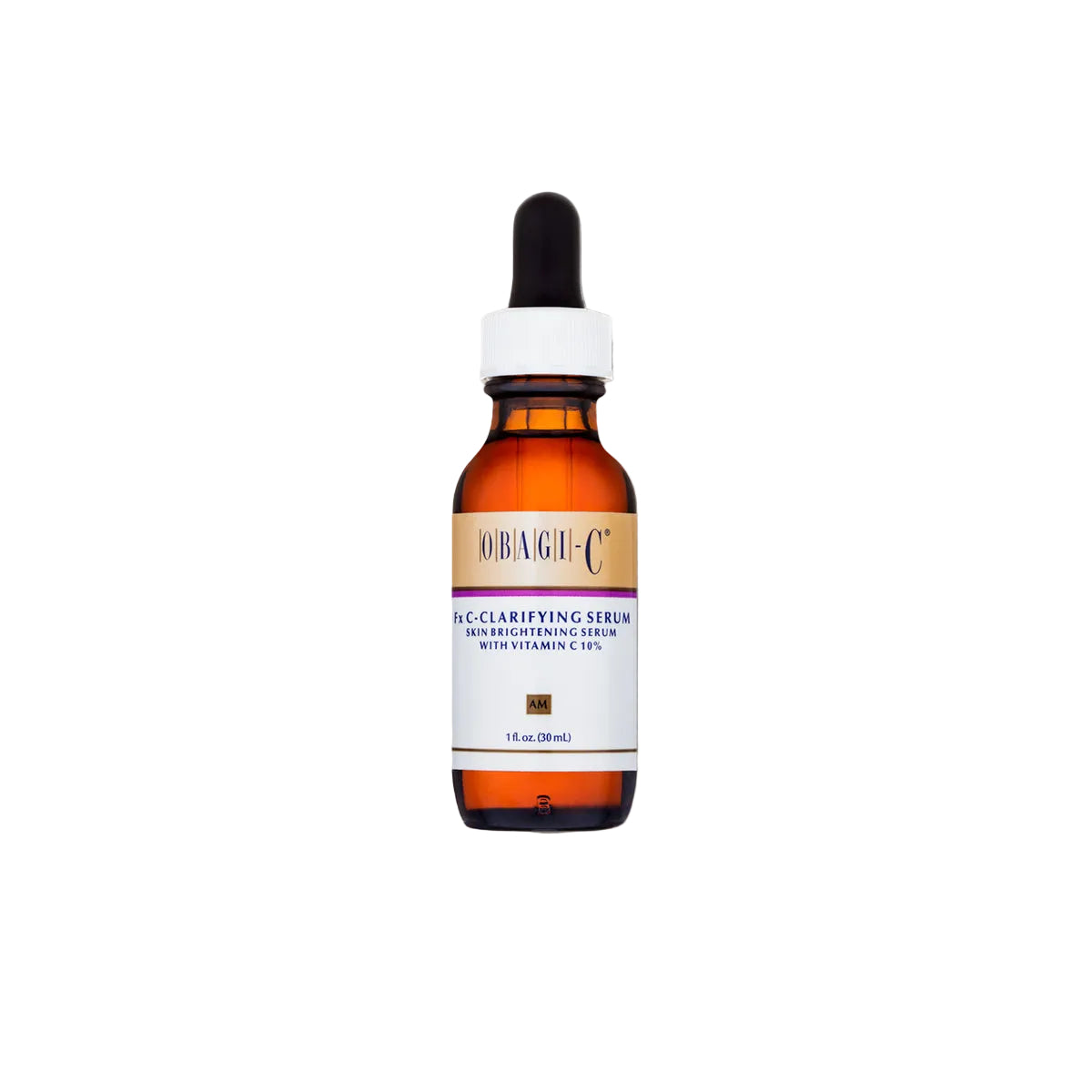
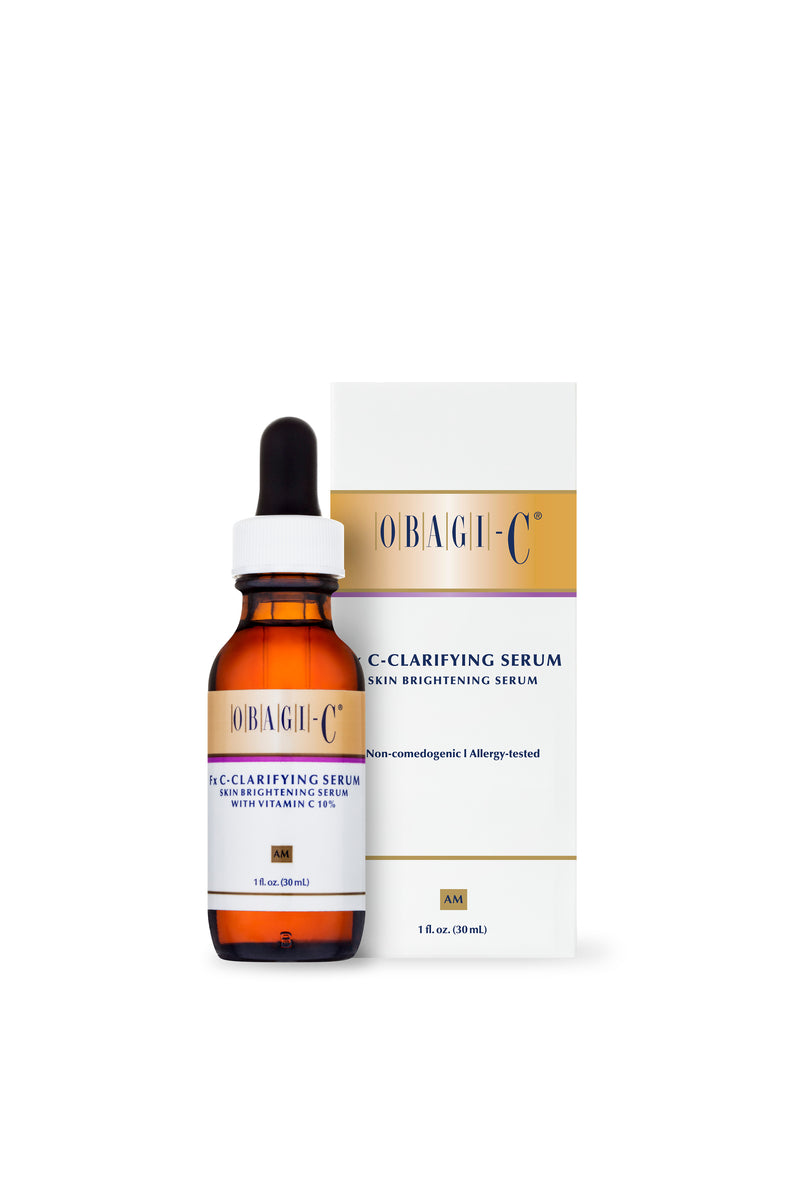
- Apply an antioxidant serum. Antioxidants help neutralize free radicals created by environmental exposure. Phyto Multi-Correction Serum combines botanical soothing support with antioxidant ingredients. For a dedicated vitamin C option, choose a strength that matches your experience, such as Professional-C Serum 10%, Professional-C Serum 15%, or Professional-C Serum 20%.
- Support hydration. Moisturized skin is better equipped to maintain barrier function. An oil-free gel cream such as Obagi Hydrate Light Weightless Gel Cream can add hydration without a heavy finish.
- Finish with broad-spectrum sunscreen. UV exposure amplifies oxidative stress and pigment changes. Essential Mineral Tinted SPF 50+ Sunscreen provides high mineral protection, while Tinted Physical Sunscreen SPF 30 pairs mineral filters with antioxidant ingredients.
An effective evening routine
- Remove makeup and sunscreen. If you wear water-resistant sunscreen or makeup, begin with a compatible remover or oil-based cleanser.
- Cleanse without over-scrubbing. Massage a gentle cleanser over damp skin and rinse well with lukewarm water. A second cleanse is useful after heavy makeup, smoke, dust, or a long commute, but it is not mandatory every night.
- Use treatment products thoughtfully. Antioxidants, pigment-supporting products, or retinoids may fit here depending on your goals and tolerance. Avoid stacking multiple strong actives simply because your skin feels dirty.
- Moisturize. Replenishing hydration after cleansing helps support barrier recovery overnight.
Why cleansing matters, and why more is not always better
Pollution-conscious skincare often becomes overly aggressive. Grainy scrubs, cleansing brushes, hot water, and repeated washing can create more irritation than the particles themselves. The goal is to remove surface buildup while preserving the barrier. Clean hands, a suitable cleanser, gentle pressure, and a thorough rinse are usually enough.
Double cleansing can help after makeup, heavy sunscreen, smoke, or visible grime. For bare-skin days, one careful cleanse may be sufficient. Let your actual exposure and skin response determine the routine.
Antioxidants and sunscreen have different jobs
Antioxidants help address free radicals, but they do not replace sunscreen. Sunscreen reduces ultraviolet exposure, while antioxidants provide complementary support against oxidative stress from UV and pollution. Apply antioxidant serum first, then moisturizer if needed, and sunscreen last in the morning.
Vitamin C is well studied in topical skincare, but concentration is not a contest. Sensitive skin may do better with a lower strength or a gentler botanical formula. Consistent use of a tolerable product is more valuable than occasional use of a formula that causes irritation.
How to adapt the routine to your skin type
Dry or sensitive skin
Prioritize a non-stripping cleanser, moderate antioxidant strength, and dependable moisturizer. Introduce one change at a time. If skin stings or becomes flaky, simplify until it settles.
Oily or acne-prone skin
Use lightweight hydration and cleanse after high-exposure days, but do not assume aggressive degreasing is necessary. Over-cleansing can worsen irritation and lead to rebound oiliness.
Uneven tone or visible aging
Pair daily sunscreen with a tolerated antioxidant serum. Consistency matters because pollution and sunlight create cumulative exposure. Pigment changes require patience, and stubborn discoloration may benefit from professional assessment.
Post-procedure skin
Follow the instructions from your provider. Recently treated skin may be more vulnerable to irritation, so this is not the time to add high-strength acids, scrubs, or unfamiliar actives. Gentle cleansing, hydration, and the recommended sunscreen are usually the priorities.
Common anti-pollution skincare mistakes
- Scrubbing harder because skin feels contaminated
- Using several antioxidant serums at once
- Skipping sunscreen because the day looks hazy or cloudy
- Assuming indoor air is always free of irritants
- Trying to fix irritation by adding more active ingredients
- Expecting one product to form an invisible barrier against every pollutant
Lifestyle steps that can reduce exposure
Skincare cannot control air quality, but simple habits can help. Avoid smoking and secondhand smoke when possible, wash pillowcases regularly, clean makeup tools, use ventilation while cooking, and shower after unusually smoky or dusty exposure. On poor air-quality days, limiting prolonged outdoor exercise may also be appropriate, particularly for people with respiratory conditions.
The bottom line
Pollution can contribute to oxidative stress, inflammation, dehydration, congestion, and visible aging, but the most useful response is straightforward: cleanse appropriately, use a tolerable antioxidant, maintain hydration, and wear broad-spectrum sunscreen every day. A calm, repeatable routine protects skin more effectively than aggressive cleansing or a crowded shelf of products.
For practical answers about double cleansing, antioxidant timing, sensitive skin, and product order, continue to the FAQ section below.
Frequently asked questions
How does air pollution affect the skin?
Airborne particles, smoke, ozone, and other pollutants can contribute to oxidative stress and inflammatory signaling. Over time, this may be associated with dullness, uneven tone, dehydration, sensitivity, clogged pores, and more visible signs of aging.
Can pollution actually penetrate the skin?
Some pollution remains on the surface, while very small particles and pollution-generated compounds can interact with the outer barrier. The exact effect depends on the pollutant, dose, skin condition, and length of exposure. This is why gentle removal and barrier support are both important.
Does pollution cause acne?
Pollution is not the sole cause of acne, but particles can mix with oil, sweat, makeup, and sunscreen. That buildup may contribute to congestion and inflammation in acne-prone skin. Cleansing after heavy exposure can help, but harsh scrubbing may make inflammation worse.
Should I double cleanse every night?
Not necessarily. Double cleansing is useful when you wear makeup, use water-resistant sunscreen, or have been exposed to smoke, dust, or significant grime. On lighter days, one thorough cleanse with a suitable formula may be enough. Sensitive or dry skin should avoid cleansing more than needed.
What is the best cleanser for pollution-exposed skin?
Choose a cleanser that removes surface buildup without leaving skin tight or irritated. A gentle option such as Papaya Ultra Gentle Cleanser can suit sensitive and post-procedure skin. Your skin type, makeup use, and exposure level matter more than an anti-pollution label.
Do antioxidants protect skin from pollution?
Antioxidants help neutralize free radicals created by environmental stress. They do not block particles or replace cleansing and sunscreen, but they can be a useful part of a daily defense routine. Phyto Multi-Correction Serum offers botanical antioxidant and soothing support, while Professional-C Serum 10% is a lower-strength vitamin C option.
When should I apply an antioxidant serum?
Morning use is practical because it places antioxidant support under moisturizer and sunscreen before daily exposure. Apply serum to clean skin, allow it to settle, add moisturizer if needed, and finish with broad-spectrum sunscreen.
Does sunscreen protect against pollution?
Sunscreen is designed to protect against ultraviolet radiation, not every pollutant. It still matters because UV and pollution can contribute to oxidative stress and uneven pigmentation together. Essential Mineral Tinted SPF 50+ Sunscreen is one high-protection mineral option.
Can pollution make sensitive skin worse?
Yes, environmental exposure may aggravate redness, tightness, itching, or reactivity, especially when the barrier is already compromised. Simplify the routine, avoid scrubs and multiple new actives, and focus on gentle cleansing, hydration, and sunscreen. Persistent symptoms deserve professional evaluation.
Should I exfoliate after a high-pollution day?
Usually no. Cleansing removes most surface residue. Immediate exfoliation can add irritation, particularly if skin already feels dry or reactive. Keep exfoliation on a normal, skin-appropriate schedule rather than using it as an emergency decontamination step.
What is the correct order for an anti-pollution morning routine?
Use cleanser if needed, antioxidant serum, moisturizer, and sunscreen. A lightweight moisturizer such as Obagi Hydrate Light Weightless Gel Cream can sit comfortably beneath sunscreen for many skin types.
How quickly will an anti-pollution routine improve my skin?
Removing residue can make skin feel cleaner immediately, but improvements in hydration, tone, or resilience take consistent care over several weeks. Prevention is cumulative. If a concern is severe, sudden, or persistent, do not assume pollution is the cause.
What are the most important steps?
Use a gentle evening cleanse, a well-tolerated antioxidant, dependable moisturizer, and daily broad-spectrum sunscreen. For the full explanation, product options, skin-type adjustments, and common mistakes, read our complete Pollution and Skin guide.