
Sleep and Skin Health: The Complete Guide
Sleep is the one factor in skin health that no product can fully replace. Your skin does most of its actual repair work overnight, which is exactly why a night routine matters as much as, or more than, a morning one. This guide covers what happens to your skin during sleep, what poor sleep does to it, and how to actually support the process.
What Happens to Your Skin While You Sleep
During deep sleep, cell turnover increases and your body ramps up collagen production, the protein responsible for skin's firmness and elasticity. This is also when skin repairs damage accumulated during the day, whether from UV exposure, pollution, or everyday wear. Skincare products, especially treatment actives like retinol, tend to work better overnight since your skin is not simultaneously fighting off environmental stressors.
What Poor Sleep Actually Does to Skin
- Increased inflammation: chronic sleep deprivation is linked to higher inflammation levels, which can show up as redness, irritation, or breakouts.
- Elevated cortisol: lack of sleep raises the stress hormone cortisol, which breaks down collagen and increases oil production, a combination that worsens both wrinkles and acne.
- Dullness: without adequate rest, skin loses some of its natural radiance and can look visibly tired, independent of how well you are otherwise caring for it.
- Puffiness and dark circles: even a single poor night's sleep shows up around the eyes first, since that skin is thinner and more reactive to fluid retention and reduced circulation.
Building a Sleep-Supportive Night Routine
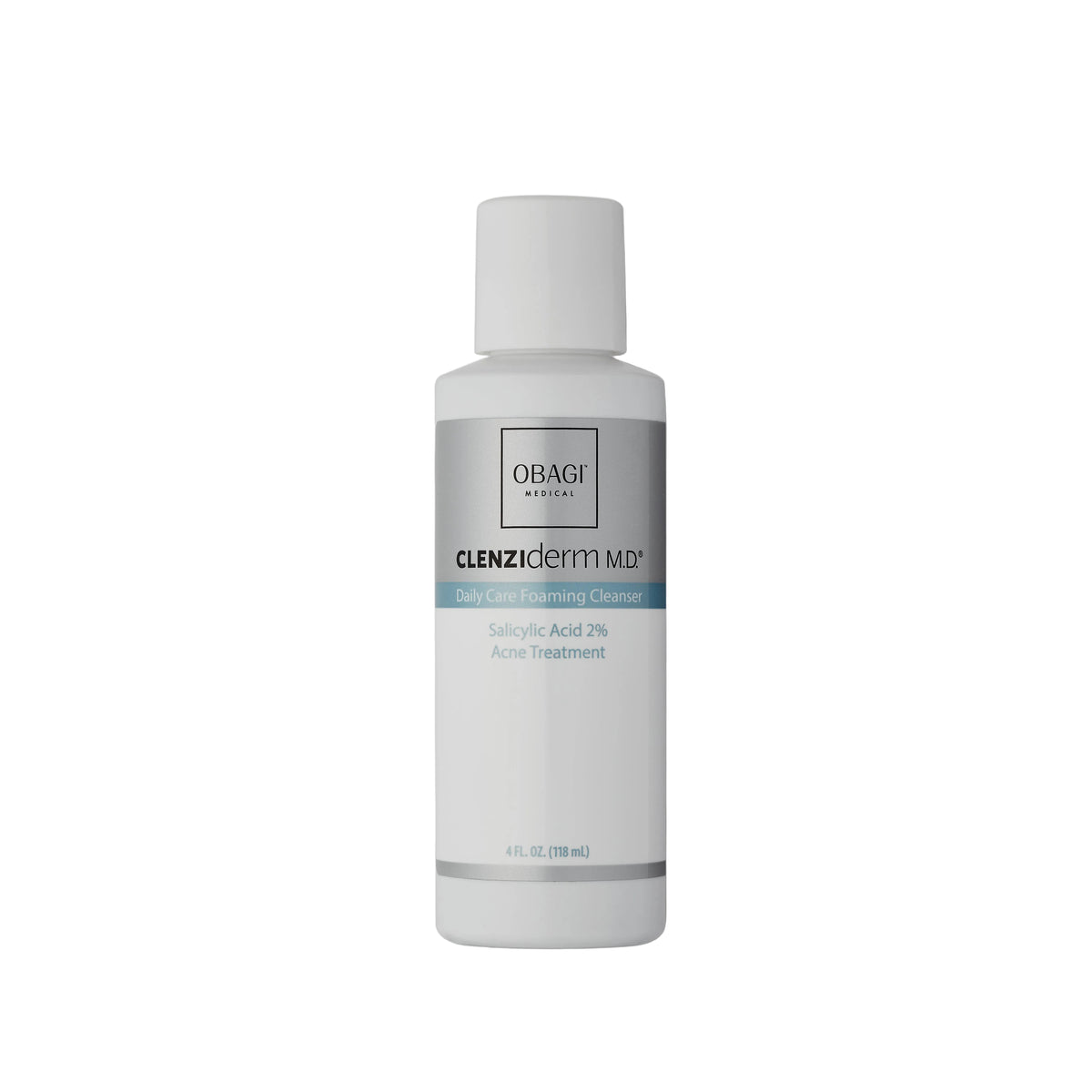
- Cleanse thoroughly. Removing the day's buildup before bed matters more than most people realize, since sleeping in makeup or sunscreen interferes with the skin's overnight repair process.
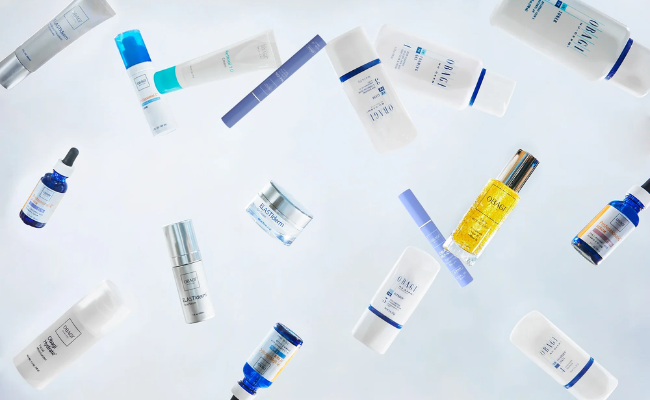
- Use this window for treatment actives. Retinol and other potent ingredients work best at night, both because they increase sun sensitivity and because your skin is in repair mode. Obagi360® Retinol 0.5 supports the collagen production your skin is already prioritizing overnight.
- Moisturize with a richer formula. Night skin is not fighting makeup or sunscreen, so it can absorb more. Obagi Hydrate Luxe® delivers deeper hydration suited to overnight use.
- Target the eye area specifically. Since puffiness and dark circles show up here first, a dedicated eye product makes a visible difference. Daily Hydro-Drops® Rejuvenating Eye Gel Cream targets this area directly.
Practical Sleep Habits That Support Skin
- Aim for 7 to 9 hours consistently, not just occasionally.
- Keep a regular sleep schedule, since your body's repair processes run more efficiently with a consistent internal clock.
- Limit screen time before bed. Blue light disrupts the sleep cycle that your skin's repair process depends on.
- Manage stress before bed with something calming, since elevated cortisol at bedtime undercuts sleep quality even if you are technically in bed long enough.
Finding Your Fit
Building a night routine that actually supports what your skin does while you sleep starts with the basics: a proper cleanse, a treatment step like Obagi360® Retinol 0.5, and a richer overnight moisturizer like Obagi Hydrate Luxe®. Pair that with consistent, adequate sleep, and you are giving your skin the two things it actually needs to repair itself: the right products, and the time to use them.
Frequently asked questions
Is beauty sleep actually real, or just a saying?
It is real. Collagen production increases during deep sleep, and cell turnover speeds up, both of which directly affect how skin looks and repairs itself. Skipping sleep genuinely undercuts these processes, not just how you feel the next day.
How many hours of sleep does my skin actually need?
7 to 9 hours consistently, not just occasionally. A single good night after a stretch of poor sleep helps, but the real benefit comes from a regular pattern, since your skin's repair processes run more efficiently with a consistent internal clock.
Why do I get dark circles and puffiness so quickly after one bad night?
The skin around your eyes is thinner and more reactive to fluid retention and reduced circulation than the rest of your face, so it shows the effects of poor sleep first and most visibly.
Does poor sleep really cause breakouts?
Yes, indirectly. Sleep deprivation raises cortisol, which increases oil production and inflammation, both of which contribute to breakouts. It is not the sleep loss itself causing acne, but the hormonal cascade it triggers.
Should I apply my skincare products differently at night versus morning?
Yes. Night is when your skin does most of its repair work and is not exposed to sunlight, making it the better time for potent actives like retinol. Richer moisturizers also work well at night since you are not layering makeup or sunscreen on top.
Can a nap make up for a bad night's sleep, skin-wise?
Not fully, but a short 20 to 30 minute nap can offer some benefit and make skin look slightly more refreshed. It does not replace the deeper repair processes that happen during a full night of quality sleep.
Does screen time before bed actually affect my skin?
Indirectly, yes. Blue light from phones and screens disrupts your natural sleep-wake cycle, which delays or reduces the quality of the deep sleep your skin's repair process depends on.
What is the most important step in a sleep-supportive skincare routine?
Thoroughly cleansing before bed. Sleeping in makeup, sunscreen, or the day's buildup interferes with your skin's ability to repair itself overnight, undercutting everything else in your routine.
What should I use at night to support repair?
Obagi360® Retinol 0.5 supports the collagen production your skin prioritizes during sleep, and Obagi Hydrate Luxe® provides the deeper hydration night skin can actually absorb.
What is good for puffiness and dark circles specifically?
Daily Hydro-Drops® Rejuvenating Eye Gel Cream targets that thinner, more reactive eye area directly.