Skincare Myths Debunked: What's Actually True
Skincare advice gets repeated so often that a lot of it goes unquestioned, even when it is not actually true. This guide clears up the most common myths still circulating, and points you toward what the evidence and dermatology actually support instead.
Myth: Oily Skin Does Not Need Moisturizer
Skipping moisturizer on oily skin often backfires, since skin can respond to a lack of hydration by producing even more oil. A lightweight, oil-free formula like Obagi Hydrate Light® hydrates without adding shine or clogging pores.
Myth: You Only Need Sunscreen on Sunny Days
UV rays pass through clouds and windows. Skipping sunscreen on overcast days still leaves your skin exposed to the exact same UV damage that causes premature aging and increases skin cancer risk. Daily use of a broad-spectrum SPF, like Essential Mineral Tinted SPF 50+ Sunscreen, should not depend on the weather forecast.
Myth: Natural Ingredients Are Always Safer
Natural does not automatically mean gentle. Essential oils and plant extracts can cause allergic reactions or irritation just as easily as synthetic ingredients, sometimes more so. What matters is how a specific ingredient interacts with your specific skin, not whether it came from a lab or a plant.
Myth: More Expensive Products Work Better
Price reflects packaging, marketing, and brand positioning as much as it reflects formulation. What actually matters is the active ingredients and their concentration. A well-formulated product at a reasonable price point can outperform an expensive one with weaker actives.
Myth: You Should Exfoliate Every Day
Daily exfoliation, especially with a chemical acid, typically outpaces your skin's ability to repair itself, leading to irritation rather than better results. Most skin types do best with exfoliation two to three times a week at most, and sensitive skin often needs even less.
Myth: Tanning Clears Up Acne
A tan can temporarily mask redness and dry out active breakouts, creating the illusion of clearer skin. But UV exposure damages skin and often makes acne worse once the tan fades, on top of increasing long-term skin cancer risk. It is not a real treatment, just a temporary cover-up with real downsides.
Myth: You Should Pop Your Pimples
Popping a pimple usually pushes bacteria and inflammation deeper into the skin, increasing the risk of scarring and further breakouts. A targeted spot treatment or a proper extraction from a professional is a safer route than doing it yourself.
Myth: Chocolate and Greasy Food Cause Acne
Research has not established a direct link between chocolate specifically and acne. Diet does matter, particularly high-sugar and high-glycemic foods, but a single food group is rarely the sole cause of breakouts.
Myth: Skincare Products Work Overnight
Most genuinely effective ingredients, from retinoids to Vitamin C to peptides, take weeks to months of consistent use to show visible results. Expecting overnight change from any product usually leads to switching products too early, before they've had a real chance to work.
Myth: DIY Skincare Remedies Are Always Safe
Kitchen ingredients like lemon juice and baking soda are frequently too harsh or acidic for topical use, and can cause real irritation or chemical burns. A DIY recipe circulating online is not automatically tested or appropriate for your skin.
Myth: Your Skin Type Never Changes
Aging, hormones, climate, and stress can all shift how your skin behaves over time. A routine built around your skin type from five years ago may no longer fit, so it is worth periodically reassessing rather than assuming it is fixed for life.
Finding Your Fit
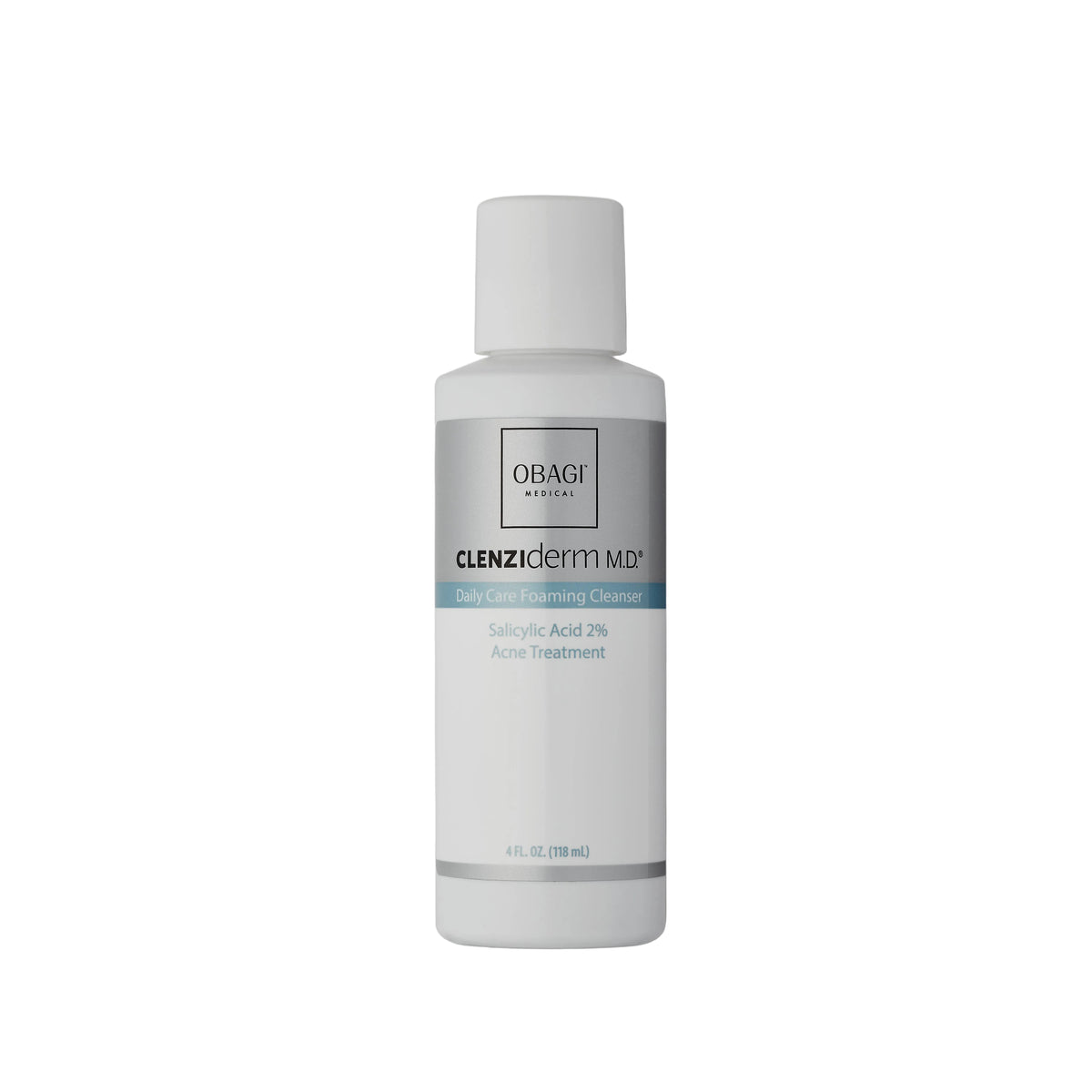
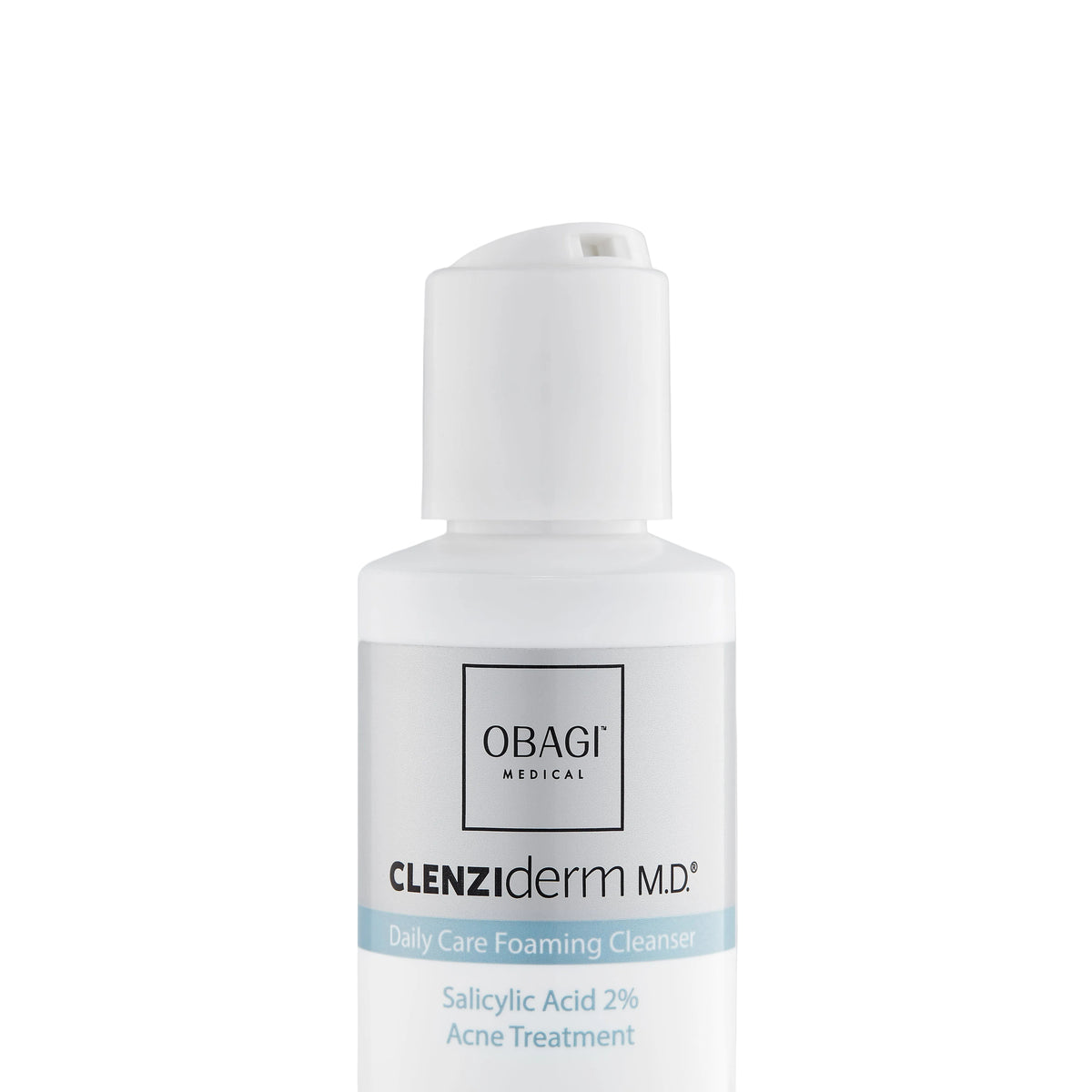
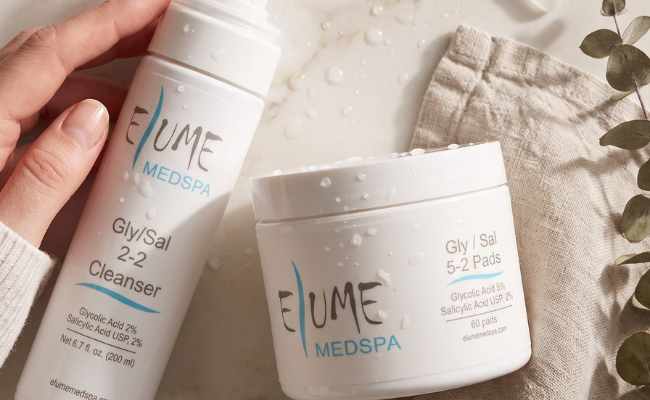
Separating myth from fact usually comes down to the same few principles: consistency over intensity, ingredients over price tags, and daily sunscreen regardless of weather. If breakouts are your concern, a lightweight cleanser like Gly/Sal 2-2 Cleanser addresses it more reliably than tanning or popping ever will. Good skincare is rarely about a single trick. It is about a routine built on what actually holds up.
Frequently asked questions
Is it true that natural products are always gentler than synthetic ones?
No. Some natural ingredients, like certain essential oils, are actually more likely to cause irritation or allergic reactions than well-tested synthetic ingredients. The natural versus synthetic label tells you where an ingredient came from, not how your skin will react to it.
Does a higher price actually mean a more effective product?
Not necessarily. Price often reflects marketing and packaging as much as formulation. Checking the actual active ingredients and their concentration is a far better indicator of effectiveness than the price tag.
Can I get away with skipping sunscreen on cloudy days?
No. Up to 80% of UV rays pass through cloud cover, so your skin is still exposed even when it does not feel sunny. Daily sunscreen should not depend on the weather.
Is popping a pimple ever actually okay?
Generally not on your own. Popping pushes bacteria and inflammation deeper into the skin, increasing the risk of scarring and further breakouts. A dermatologist or esthetician can perform a proper extraction with much lower risk.
Do I need to exfoliate every day for smooth skin?
No, and daily exfoliation is one of the most common ways people damage their skin barrier. Two to three times a week is plenty for most skin types, and sensitive skin often needs even less.
Does tanning actually clear up acne?
Not really. A tan can temporarily mask redness and dry out active breakouts, but this is a cosmetic illusion, not a treatment. UV exposure causes real skin damage and often makes acne worse once the tan fades.
Is it true my skin type is fixed for life?
No. Aging, hormones, climate, and stress can all shift how your skin behaves over time. It is worth reassessing your routine periodically rather than assuming what worked in your twenties still fits now.
Does chocolate really cause breakouts?
There is no strong research linking chocolate specifically to acne. Diet does play a role in skin health, particularly high-sugar and high-glycemic foods, but no single food is usually the sole cause of a breakout.
Do DIY skincare remedies I find online actually work?
Some do, but many kitchen-ingredient recipes use things like lemon juice or baking soda that are too harsh or acidic for skin, and can cause real irritation. A recipe circulating online has not necessarily been tested for safety on facial skin.
How long should I actually expect to wait before a product shows results?
Most effective ingredients, including retinoids, Vitamin C, and peptides, take 6 to 8 weeks of consistent use before showing visible change, and longer for more significant results. Switching products before that window is one of the most common reasons people feel like nothing works.