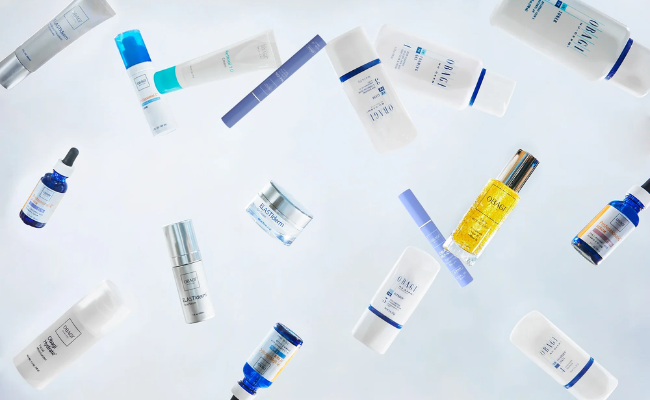

How to Read Skincare Labels: Ingredients, Claims and Natural vs. Synthetic
Skincare labels can feel like a different language. Long ingredient names, front-of-package claims, percentages, certifications, and phrases such as “clean,” “natural,” or “clinically tested” often compete for attention. Learning a few label-reading principles can help you compare products based on formulation and fit rather than fear or marketing alone.
This guide explains how ingredient lists are organized, how to evaluate active and supporting ingredients, what natural and synthetic really mean, and which label claims deserve a closer look. For concise answers about INCI names, fragrance, preservatives, percentages, and expiration dates, see the FAQ section below.
Start with your skin goal, not the longest ingredient list
A product does not need dozens of fashionable ingredients to be effective. Begin by identifying one primary goal, such as hydration, acne support, uneven texture, visible discoloration, sensitivity, or daily sun protection. Then look for a formula designed for that purpose and a texture you can use consistently.
For example, someone focused on gentle cleansing may prioritize a non-stripping surfactant system and soothing ingredients in Papaya Ultra Gentle Cleanser. Someone focused on dehydration may look for humectants such as hyaluronic acid, glycerin, and sodium PCA in Ultra Hydrating Serum. The formula's job matters more than whether every ingredient sounds familiar.
How to read an ingredient list
Cosmetic ingredient lists commonly use standardized INCI names, short for International Nomenclature Cosmetic Ingredient. A botanical may appear under a Latin plant name, while familiar ingredients can have formal names such as tocopherol for vitamin E or ascorbic acid for a form of vitamin C.
Ingredient order
Ingredients are generally listed in descending order of predominance until the low-concentration portion of the formula. Ingredients used at small amounts may appear in a different order afterward, so placement alone cannot reveal an exact percentage. A useful ingredient near the middle or end of a list is not automatically ineffective. Some ingredients work at low concentrations, and preservatives, chelators, thickeners, and pH adjusters are intentionally used in small amounts.
The first five ingredients rule has limits
The first several ingredients often describe the product's base, but evaluating only the first five can miss important actives. It can also undervalue supporting ingredients that improve stability, delivery, texture, or tolerability. Read the whole list while keeping the product's purpose in mind.
Formula context matters
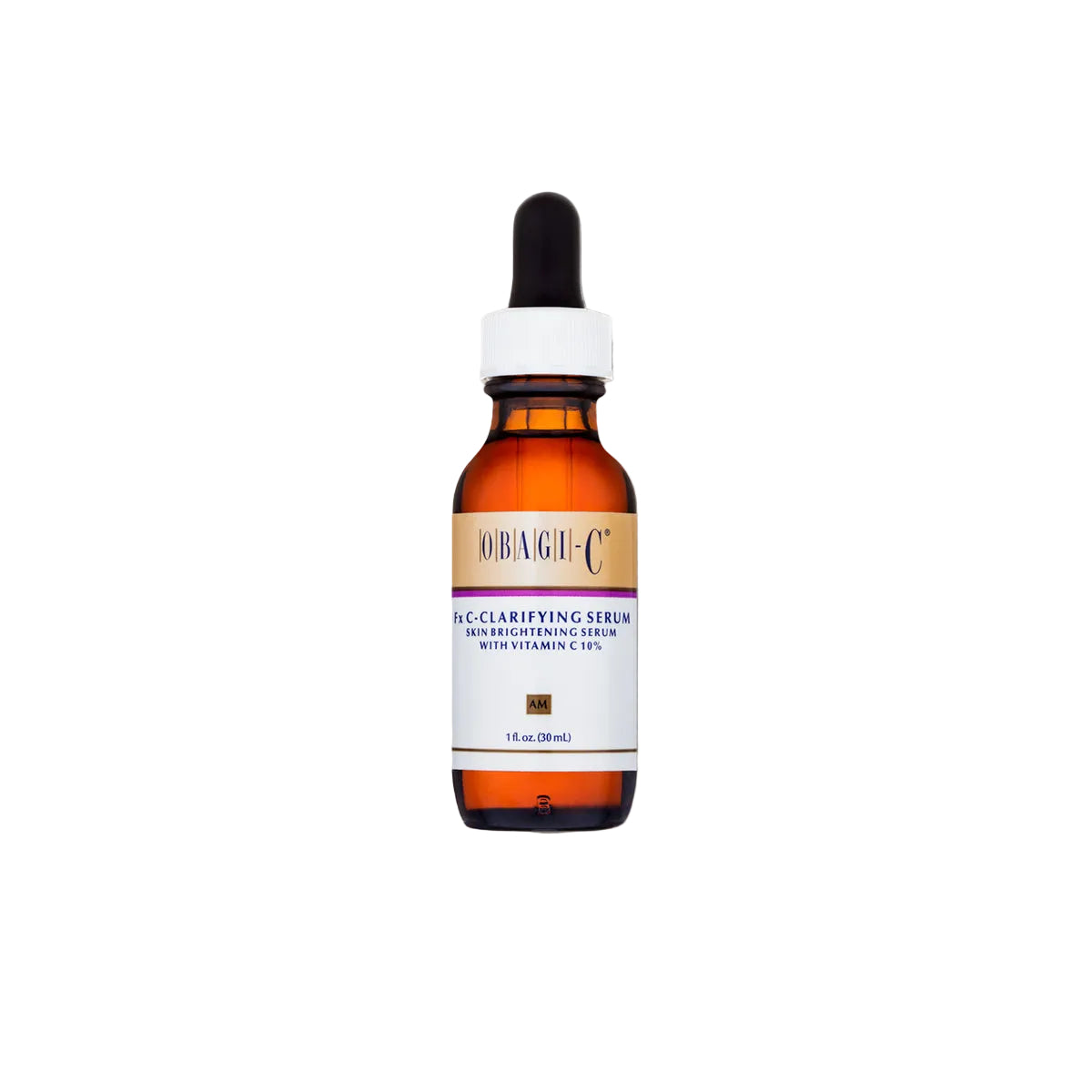
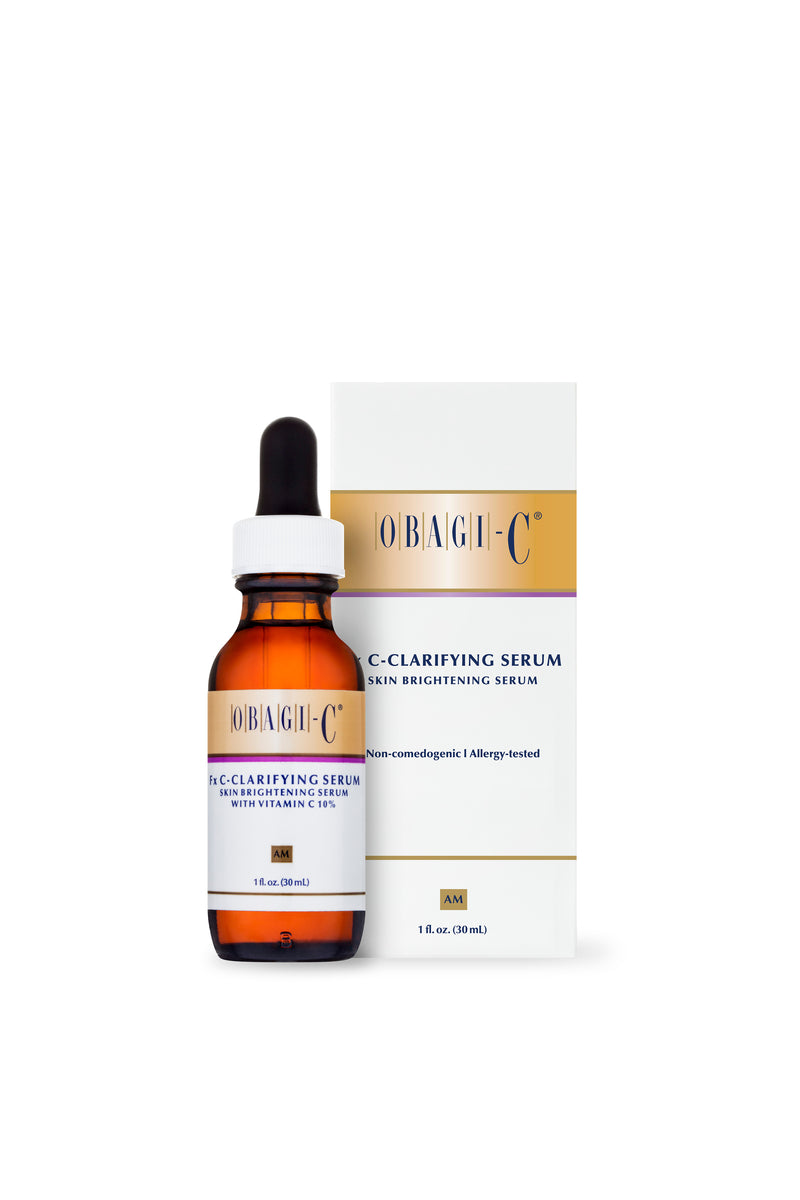
An ingredient's performance depends on concentration, pH, molecular form, delivery system, packaging, and the other ingredients around it. Vitamin C is a good example. Stability and packaging can matter as much as the name on the label. Professional-C Serum 10% provides a clearly identified strength for people beginning a vitamin C routine.
Active ingredients and supporting ingredients
Consumers often focus on “hero” actives, but a complete formula includes several functional groups:
- Humectants attract water, including glycerin, hyaluronic acid, and sodium PCA.
- Emollients smooth and soften the skin surface.
- Occlusives reduce water loss by creating a protective layer.
- Surfactants help cleansers lift oil, sunscreen, and debris.
- Antioxidants help limit oxidative stress within the formula or on the skin.
- Exfoliants such as alpha hydroxy acids and beta hydroxy acids loosen dead surface cells.
- Preservatives help protect water-containing products from microbial contamination.
- Stabilizers, emulsifiers, and pH adjusters help a formula remain usable and consistent.
A supporting ingredient is not “filler” simply because it does not make the headline. Preservatives and stabilizers can be essential to product safety and performance.
Natural vs. synthetic skincare ingredients
“Natural” describes origin, not guaranteed safety, purity, sustainability, or effectiveness. “Synthetic” describes how an ingredient was produced, not whether it is harmful. Every ingredient is a chemical substance, including water, plant oils, minerals, and laboratory-made molecules.
Potential strengths of naturally derived ingredients
Botanical ingredients can provide antioxidants, soothing compounds, emollients, and an appealing sensory experience. Phyto Multi-Correction Serum combines botanical components with established hydrating and antioxidant ingredients in a professionally formulated product.
Potential strengths of synthetic ingredients
Laboratory production can improve consistency, purity, stability, supply reliability, and control over concentration. A synthetic version of a molecule may be chemically identical or functionally similar to one found in nature. Synthetic production can also reduce pressure on scarce plant or animal sources.
Risks exist in both categories
Plant extracts, essential oils, and fragrances can irritate or sensitize some people. Synthetic ingredients can also cause irritation when the formula, concentration, or use pattern is not appropriate. The useful question is not “natural or synthetic?” but “Is this ingredient appropriate in this formulation for my skin and how I plan to use it?”
What does “clean beauty” mean?
Clean beauty does not have one universal definition across brands and retailers. Each company can use its own restricted-ingredient list or philosophy. A clean label may reflect thoughtful choices, but it is not a substitute for reviewing the full formula, directions, packaging, and evidence.
Likewise, phrases such as “non-toxic,” “chemical-free,” and “free from nasties” can oversimplify safety. Risk depends on both hazard and exposure. Water is a chemical, and a naturally derived substance can be harmful at the wrong dose or route of exposure. Avoid-list marketing can also make safe functional ingredients sound suspicious without considering how they are actually used.
Common label claims and what they do not guarantee
Dermatologist tested
This indicates some level of dermatologist involvement in testing, but it does not tell you the study size, design, comparison, or outcome. Look for more detail when available.
Hypoallergenic
This suggests the product is intended to reduce allergy risk, but no product can guarantee that every person will avoid a reaction. Patch testing is still useful for reactive skin.
Non-comedogenic
This means the formula is intended not to clog pores. Individual responses vary, and acne can have many causes, so monitor your own skin.
Clinically tested or clinically proven
These terms are more useful when the brand explains what was tested, how many participants were included, how long the study lasted, and what outcome was measured. A consumer perception survey is different from an instrument-measured clinical study.
Organic
Organic claims usually relate to agricultural production standards, not automatic superiority for skin. Certification scope can vary, so look for the certifying body and which portion of the formula is covered.
Fragrance-free vs. unscented
Fragrance-free generally means fragrance materials were not added for scent, while unscented can mean odor-masking ingredients were used. Review the ingredient list if fragrance is a known trigger for you.
How to evaluate percentages
A disclosed percentage can help compare products, but higher is not always better. More concentrated retinoids, exfoliating acids, and vitamin C formulas may increase irritation without producing proportionally better results for every user. A beginner may prefer Obagi360 Retinol 0.5 instead of immediately choosing the strongest retinoid available.
For exfoliation, Lactic Acid Resurfacing Serum pairs an AHA with hydrating and supporting ingredients. The complete formulation and how often it is used matter alongside the acid percentage.
Ingredients that deserve caution without fear
An ingredient is not universally “bad” because it appears on a viral avoid list. However, certain categories deserve individual attention:
- Fragrance and essential oils may be problematic for fragrance-allergic or highly reactive skin.
- Strong exfoliants and retinoids can irritate when introduced too quickly or layered together.
- High-alcohol formulas may feel drying for some skin types, although alcohol can also serve useful formulation roles.
- Known personal allergens should be avoided regardless of whether they are natural or synthetic.
- Expired or contaminated products should be discarded even if their original ingredient list was gentle.
Packaging is part of the formula
Air, light, heat, and repeated finger contact can affect stability. Opaque or air-restrictive packaging can help protect light-sensitive or oxidation-prone ingredients. Jar packaging may be appropriate for stable creams, but clean hands or a spatula help reduce contamination. Follow storage directions and keep products away from excessive heat and humidity.
Build a label-smart routine
- Define your primary skin goal.
- Choose a gentle cleanser and basic moisturizer first.
- Add one treatment active at a time.
- Check for ingredient overlap across cleansers, serums, and masks.
- Patch test when your skin is reactive or the formula is unfamiliar.
- Follow directions instead of assuming more product or more frequent use is better.
- Use daily broad-spectrum sunscreen, such as Essential Mineral Tinted SPF 50+ Sunscreen, especially when using exfoliating or retinoid products.
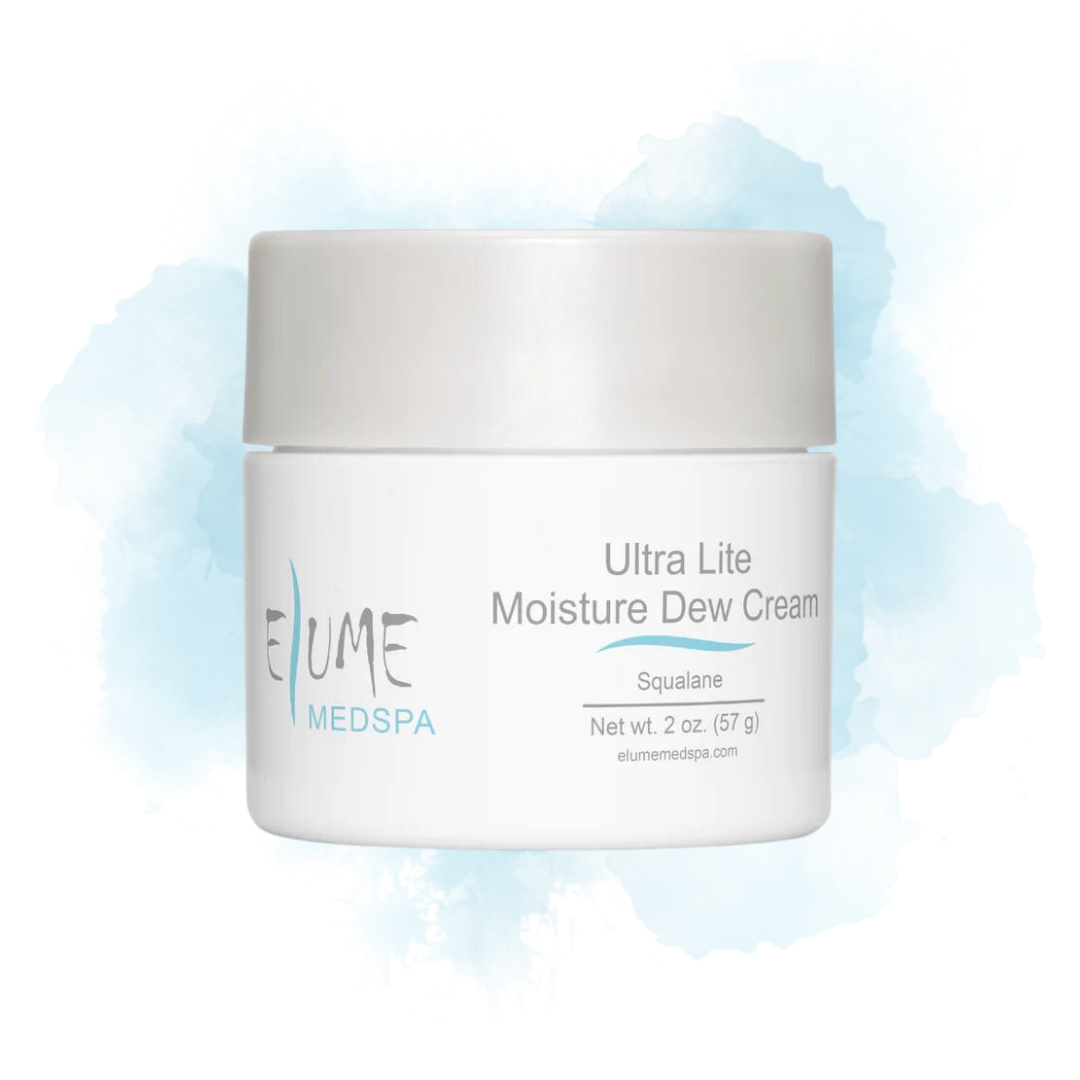
After treatment products, a supportive moisturizer such as Ultra Lite Moisture Dew Cream can help maintain comfort without adding another aggressive active.
The bottom line
Ingredient literacy is not about memorizing every chemical name or building a universal banned list. It is about connecting the label to the product's purpose, understanding that natural and synthetic are not safety ratings, and choosing a routine your skin tolerates. Evaluate claims with context, introduce actives gradually, and consult a qualified professional when you have persistent irritation, a diagnosed skin condition, pregnancy-related ingredient questions, or uncertainty about combining treatments.
For more help interpreting real-world label questions, see the FAQ section below.
Frequently asked questions
1. What is an INCI name?
INCI stands for International Nomenclature Cosmetic Ingredient. It is a standardized naming system used on cosmetic ingredient lists. Botanical ingredients may appear under Latin plant names, while vitamins and other familiar ingredients can appear under formal chemical names.
2. Are skincare ingredients listed from highest to lowest concentration?
They are generally listed in descending order of predominance until the lower-concentration portion of the formula. Ingredients used in small amounts may then appear in a different order. The list therefore provides useful context but does not reveal every exact percentage.
3. Does an ingredient near the bottom of the list still work?
It can. Preservatives, pH adjusters, peptides, color additives, and other ingredients may be effective or necessary at low levels. Position alone is not enough to judge performance.
4. Are natural ingredients safer than synthetic ingredients?
Not automatically. Natural describes origin, while synthetic describes production. Either type can be effective, ineffective, soothing, irritating, sustainable, or resource-intensive depending on the molecule, formulation, dose, sourcing, and user.
5. What does clean beauty mean?
Clean beauty has no single universal definition. Brands and retailers often create their own restricted-ingredient standards. Treat it as a brand philosophy or marketing category, then review the actual ingredient list, product directions, evidence, and your own sensitivities.
6. Is chemical-free skincare possible?
No. Everything made of matter is composed of chemicals, including water and plant extracts. “Chemical-free” is a marketing phrase rather than a scientifically meaningful description.
7. Should I avoid parabens, sulfates, silicones, or preservatives?
Broad category bans are rarely useful. Different ingredients within each category have different functions and safety profiles. Preservatives protect water-containing products from microbial growth, and silicones can improve texture and reduce water loss. If you have a diagnosed allergy or a specific sensitivity, avoid the relevant ingredient with professional guidance.
8. What is the difference between fragrance-free and unscented?
Fragrance-free generally indicates that fragrance materials were not added for scent. Unscented can mean a product contains ingredients that mask its natural odor. People with fragrance sensitivity should inspect the full label rather than relying only on front-of-package wording.
9. Does a higher percentage mean a better product?
No. The ideal concentration balances results with tolerability. Higher percentages of acids, retinoids, or vitamin C may increase irritation. Formula pH, stability, delivery, packaging, and frequency of use also influence performance.
10. What does non-comedogenic mean?
It means the formula is intended not to clog pores. It does not guarantee that every individual will avoid breakouts. Monitor your own response and consider other acne triggers before blaming one ingredient.
11. How can I tell whether a clinical claim is meaningful?
Look for details about the number of participants, study length, comparison or control, measured outcome, and whether results came from instruments, expert grading, or consumer perception. “Clinically tested” alone does not describe the quality of the evidence.
12. How do I avoid combining too many active ingredients?
List the actives in every cleanser, toner, serum, mask, and moisturizer you use. Introduce one new treatment at a time and avoid stacking retinoids, exfoliating acids, and scrubs in the same routine unless a professional has designed the plan. Pair treatments with simple hydration such as Ultra Hydrating Serum and Ultra Lite Moisture Dew Cream.
How should a beginner shop by ingredient?
Start with a skin goal instead of a trend. Choose a gentle cleanser, moisturizer, and sunscreen, then add one targeted ingredient. Consider Papaya Ultra Gentle Cleanser for gentle cleansing, Lactic Acid Resurfacing Serum for carefully introduced exfoliation, or Professional-C Serum 10% for antioxidant support. Patch test when appropriate and stop if persistent irritation develops.