Dull Skin: What Actually Causes It and What Fixes It
Dullness is the most common skin complaint that nobody can define. Skin looks flat, tired, and slightly grey, and it photographs worse than it looks in the mirror. The useful thing about dullness is that it is almost always one of four specific causes, and each one has a different fix. Guessing wrong is why so many people exfoliate skin that actually needed water.
What Dullness Actually Is
Healthy skin reflects light evenly because its surface is smooth, hydrated, and uniform in tone. Dull skin scatters light instead, because something has disrupted one of those three properties. That is the whole mechanism. Once you know which property is disrupted, the fix is straightforward.
Cause One: Dead Cell Buildup
How to tell: skin feels slightly rough or grainy, makeup sits on top rather than blending, and the dullness is uniform across the face.
Cell turnover slows with age, sun exposure, and dehydration, and the accumulated layer of dead cells is physically uneven, so it scatters light. This is the cause most people assume they have, and it is genuinely common.
What helps: controlled chemical exfoliation, not scrubbing. A Lactic Acid Resurfacing Serum works at a measured concentration, which a physical scrub cannot. For a weekly reset, Professional-C 30% Vitamin C Microdermabrasion Polish and Mask combines gentle polishing with an antioxidant. Our exfoliation guide covers frequency, which is where most people go wrong.
Cause Two: Dehydration
How to tell: skin feels tight, fine lines look more pronounced than usual, and it improves noticeably for an hour after moisturizer then goes flat again.
Dehydrated skin cells are slightly deflated, which makes the surface microscopically uneven. This is the cause most often misdiagnosed as buildup, and exfoliating it makes it worse.
What helps: humectants applied to damp skin and sealed. The Ultra Hydrating Bundle pairs a hyaluronic serum with a cream for exactly this layering, or browse dehydrated skin products. Our hydration guide covers the technique in detail.
Cause Three: Uneven Tone
How to tell: the dullness is patchy rather than uniform, and it reads as sallowness or greyness rather than roughness. Often worse on one side of the face, which is usually the side that faces the car window.
Scattered pigment breaks up the uniformity of the surface. Even mild, diffuse pigment that you would not call a dark spot will flatten how skin reads overall.
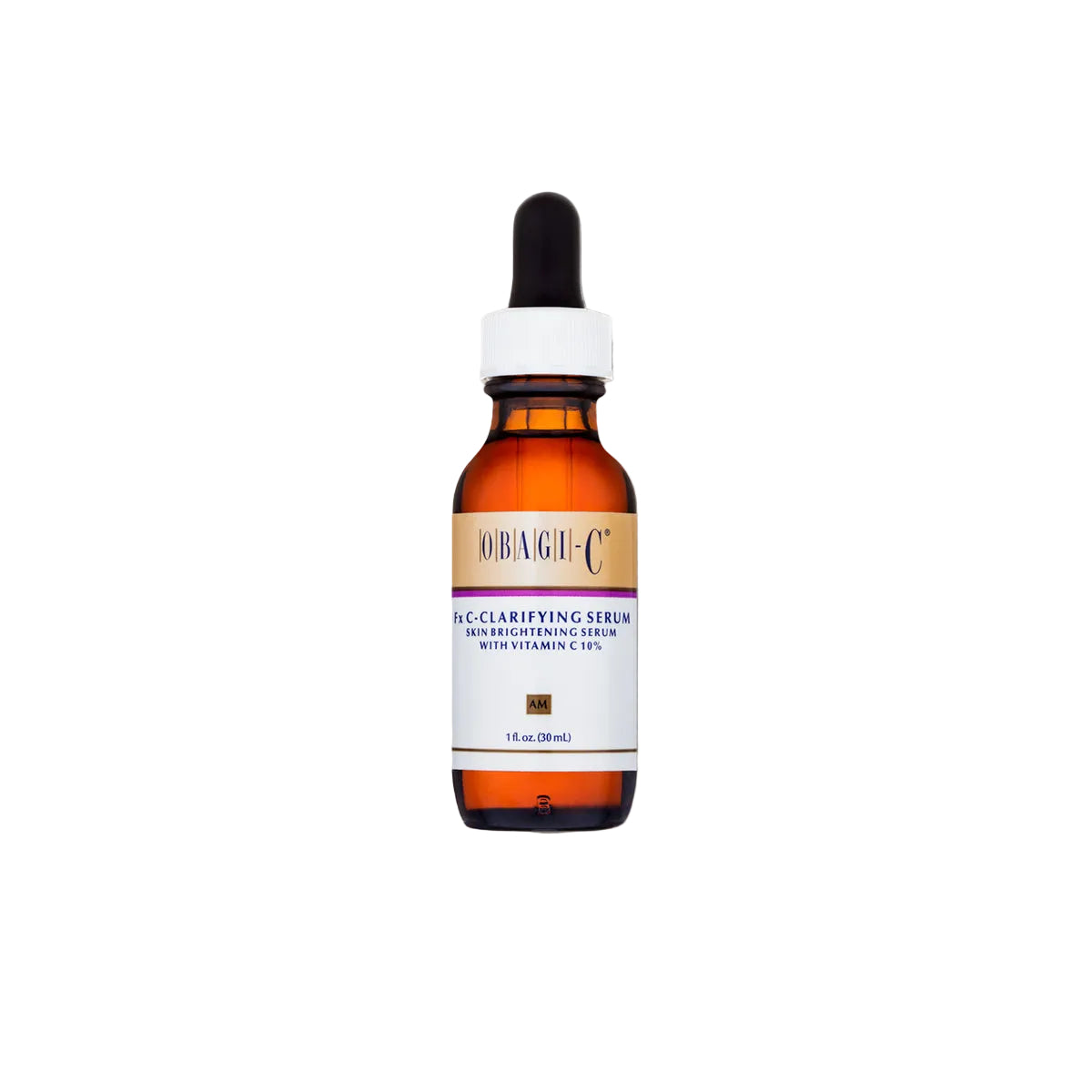
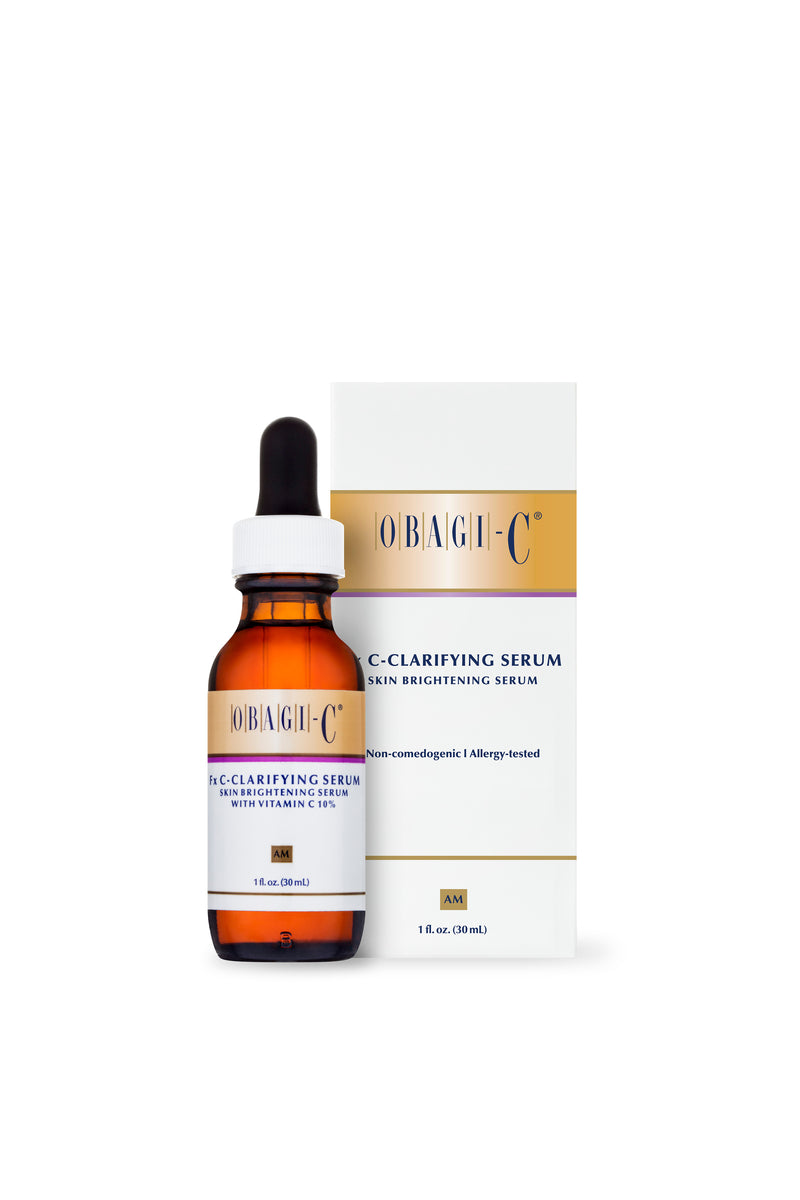
What helps: antioxidants and consistent sun protection. Obagi-C Fx C-Clarifying Serum targets tone directly, and the uneven skin tone collection has the broader range. Our hyperpigmentation guide covers the mechanism.
Cause Four: Accumulated Sun Damage
How to tell: the dullness has been gradual over years rather than weeks, and it comes with texture change, visible vessels, or a leathery quality.
This is the one cause that home care manages rather than reverses. Photoaging changes collagen and elastin in the dermis, below where topical products act.
What helps: daily sun protection stops it progressing, which matters more than anything else you do. See sun protection and our sunscreen guide. For reversal, this is the point where in-clinic resurfacing does what topicals cannot.
What Does Not Work
- Scrubbing harder. Physical scrubs with irregular particles create microtears, and damaged skin reflects light worse, not better. The short-term glow is inflammation.
- Exfoliating more often. Past two or three times a week for most people, you are removing barrier faster than it rebuilds. Dullness that worsens after you increased exfoliation is barrier damage.
- Layering more actives. If skin is dehydrated or compromised, adding vitamin C, retinol, and acid together makes it flatter.
- Illuminating primers as a fix. Nothing wrong with them, but they treat the photograph rather than the skin.
If You Are Not Sure Which One You Have
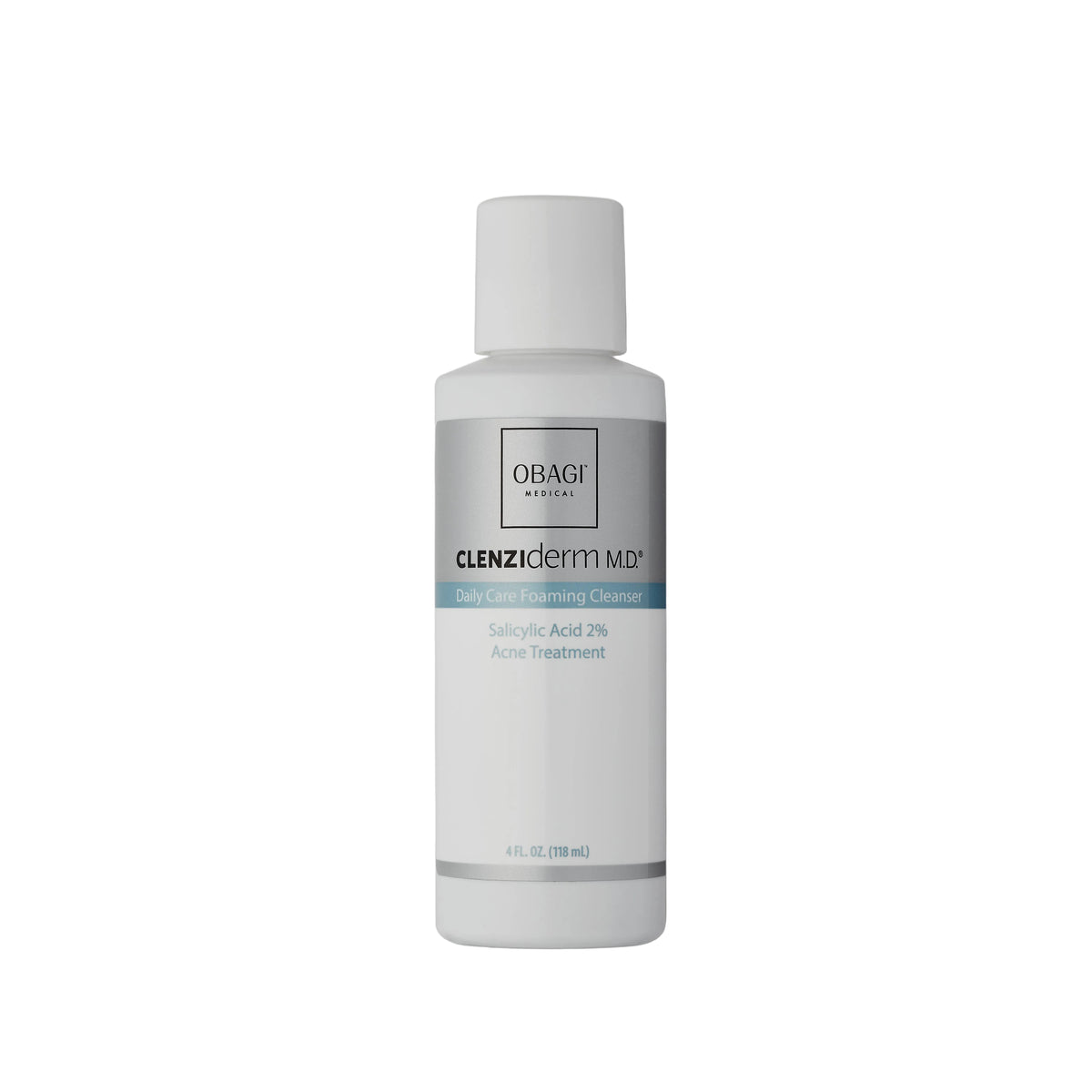
Do the two-week test. Stop all exfoliation, keep cleansing gentle with something like Papaya Ultra Gentle Cleanser, and focus entirely on hydration and sunscreen for fourteen days. If dullness improves, it was dehydration or over-exfoliation. If it does not change at all, it is buildup or tone, and you can reintroduce one active at a time from there.
That test costs nothing and rules out half the possibilities, which is more than most product purchases achieve.
When to Escalate
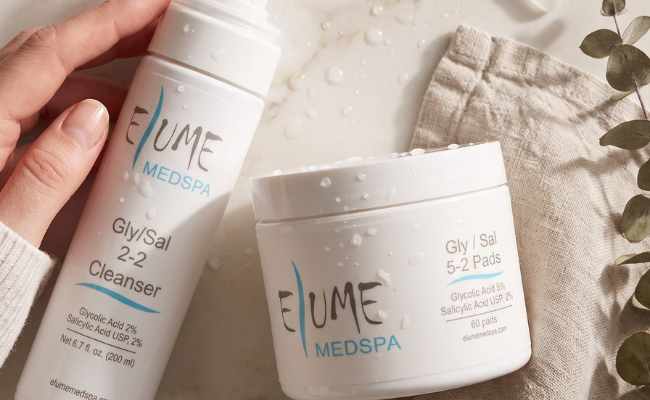
If dullness comes with texture you can feel, has been progressing for years, or has not responded to a properly executed routine over three months, the cause is likely structural rather than surface. In-clinic resurfacing treats the depth that topicals cannot reach, and a consultation will tell you whether that is genuinely warranted or whether your routine simply needs correcting. Elume Medspa offers complimentary consultations at elumemedspa.com.
Finding Your Fit
Diagnose before you treat. Rough and uniform means buildup, tight and fine-lined means dehydration, patchy and sallow means tone, gradual and textured means sun damage. Pick the one that matches, give it eight weeks, and resist the urge to run all four protocols at once.