
Professional Facials and Skin Treatments: Benefits, Types, and Aftercare
Professional facials can complement a thoughtful home routine by combining expert skin assessment with techniques and products selected for your current concerns. A good treatment is not simply a longer version of washing your face. It is a structured service that may include cleansing, exfoliation, extractions, hydration, masking, and targeted care, with the intensity adjusted to your skin and goals.
This guide explains what professional facials can realistically do, how common treatment categories differ, how often to schedule them, and how to care for skin afterward. For quick answers, see the FAQ section below.
What is a professional facial?
A professional facial is a skin service performed by a trained and appropriately licensed provider. The exact scope depends on the provider's credentials, state rules, and the treatment selected. A basic facial commonly includes a consultation, cleansing, skin analysis, controlled exfoliation, optional extractions, hydration, and sun protection. More intensive procedures may require a medical practice or a clinician with additional training.
The consultation matters as much as the treatment itself. Skin can change with weather, medication, hormones, stress, procedures, and product use. A provider should ask about sensitivity, allergies, current actives, recent procedures, pregnancy, and your main concerns before recommending a service.
Potential benefits of professional facials
Personalized assessment
Online advice cannot see or feel your skin. An in-person provider can distinguish surface dehydration from oiliness, identify visible congestion, notice irritation, and help decide whether your routine is too aggressive or not targeted enough.
Thorough but controlled cleansing
A facial can remove makeup, sunscreen, oil, and surface buildup before treatment. This does not mean the skin should feel squeaky or tight afterward. Professional cleansing should prepare the skin while respecting the barrier.
Exfoliation matched to tolerance
Exfoliation can improve temporary roughness and radiance by loosening surface cells. The method may be enzymatic, mechanical, or chemical, but the choice should reflect skin type, active breakouts, sensitivity, and recent treatments. Stronger is not automatically better.
Safer extractions
When appropriate, a trained provider can perform extractions with controlled pressure and clean technique. Not every clogged pore should be extracted, and inflamed lesions should not be forced. Attempting aggressive extractions at home can increase irritation, discoloration, and scarring risk.
Targeted hydration and soothing
Hydrating serums, masks, and moisturizers can improve comfort and temporarily plump dehydrated skin. A soothing facial may also help someone whose routine has become overly complicated, provided the products and techniques are appropriate for the condition of the skin.
A better home-care plan
The longest-lasting benefit often comes from what happens after the appointment. A provider can help simplify product order, identify conflicting actives, and recommend a realistic plan. Professional treatment should support daily care, not replace it.
Common categories of professional treatment
Classic customized facial
This is the most flexible option. The provider adapts cleansing, exfoliation, extractions, mask, and finishing products to the skin that day. It is often a sensible starting point for someone new to professional care.
Hydrating or barrier-support facial
These services focus on gentle cleansing, humectants, soothing ingredients, and moisturization. They may suit dry, dehydrated, or temporarily reactive skin, but an active rash or unexplained irritation should be evaluated before treatment.
Clarifying facial
A clarifying treatment may combine oil-conscious cleansing, light exfoliation, and selective extractions for congestion. Acne is a medical condition with several possible causes, so facials can complement an acne plan but should not be presented as a guaranteed cure.
Brightening facial
Brightening services aim to improve temporary dullness and support more even-looking tone. Daily sunscreen remains essential because professional treatment cannot offset repeated unprotected ultraviolet exposure.
Advanced procedures
Chemical peels, microneedling, lasers, energy devices, and deeper resurfacing procedures are separate categories with different benefits, contraindications, downtime, and provider requirements. They should not be treated as interchangeable add-ons. Ask who will perform the procedure, what training they have, and what recovery to expect.
How often should you get a facial?
There is no universal monthly requirement. Frequency depends on the treatment, skin condition, goals, budget, and home routine. A gentle maintenance facial might be scheduled every four to eight weeks, while sensitive skin may need more time. Advanced procedures often follow a specific series with longer recovery intervals.
More frequent treatment is not necessarily more effective. Ongoing redness, burning, peeling, or tenderness suggests that the schedule or intensity may be too aggressive. Let the skin recover rather than chasing constant exfoliation.
Professional facials versus at-home skincare
Home care provides daily consistency. Professional care provides assessment, technique, and access to procedures that should not be attempted without training. The best approach usually combines both.
- Home care is best for: daily cleansing, hydration, antioxidant support, acne maintenance, and sunscreen.
- Professional care is best for: personalized assessment, controlled extractions, procedure selection, and supervised treatment plans.
- Medical evaluation is best for: persistent acne, changing lesions, severe redness, infection, unexplained rashes, or other concerning symptoms.
How to prepare for an appointment
- Share your complete routine, including prescription products and supplements that affect healing.
- Tell the provider about allergies, pregnancy, recent sunburn, cold sores, and recent procedures.
- Ask whether to pause retinoids, acids, scrubs, or hair-removal methods in advance.
- Avoid experimenting with a new strong active immediately before the appointment.
- Arrive with realistic goals and ask what the treatment can and cannot accomplish.
Aftercare: what skin usually needs
Aftercare depends on treatment intensity, so follow the provider's instructions first. For many gentle facials, a simple routine is enough.
- Cleanse gently. Papaya Ultra Gentle Cleanser is formulated for sensitive, irritated, and post-procedure skin.
- Restore hydration. Ultra Hydrating Serum provides hyaluronic-acid hydration, while Phyto Multi-Correction Serum offers botanical soothing support.
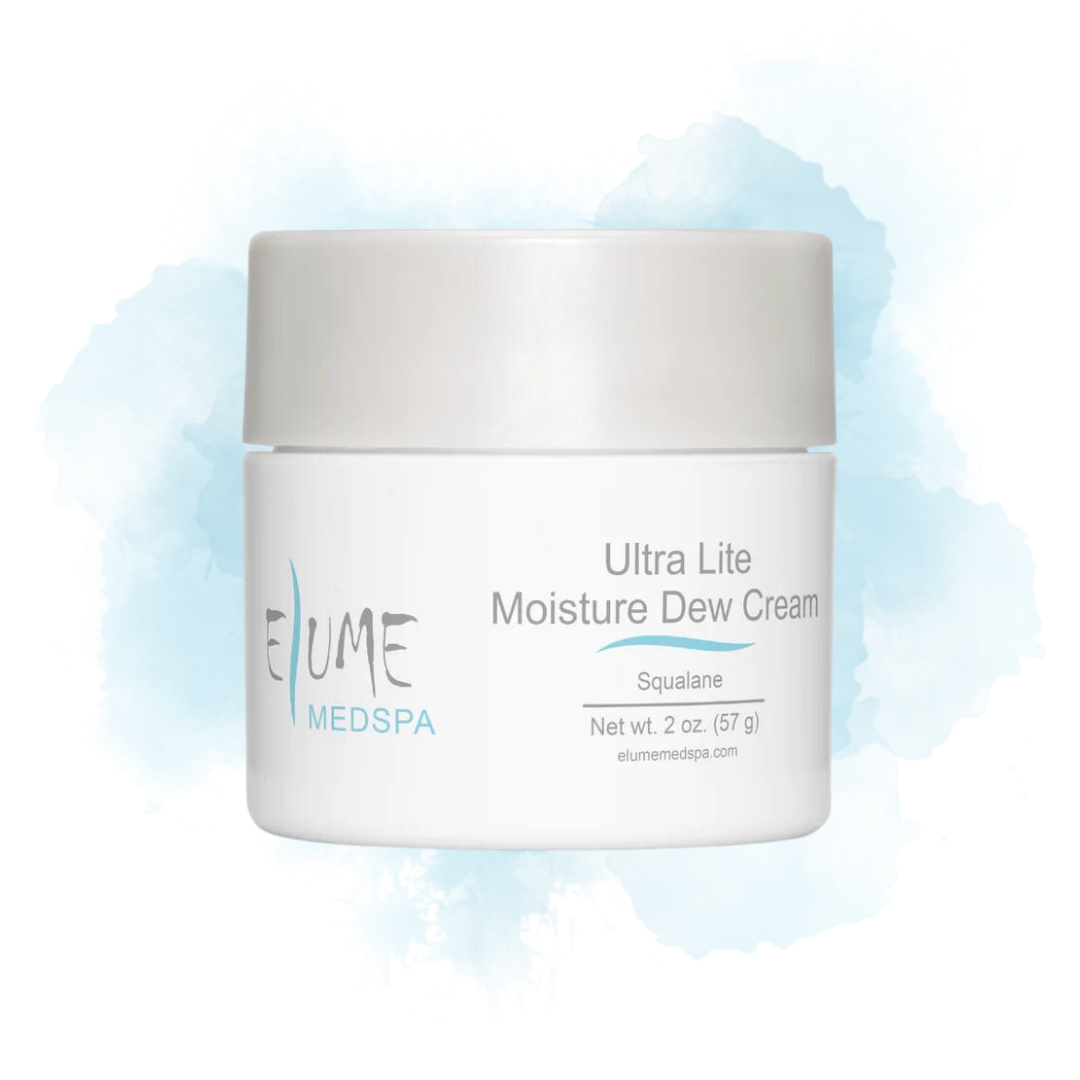
- Use an appropriate moisturizer. Lightweight options include Ultra Lite Moisture Dew Cream and Obagi Hydrate Light Weightless Gel Cream. Drier skin may prefer Obagi Hydrate Facial Moisturizer.
- Protect from sun exposure. Essential Mineral Tinted SPF 50+ Sunscreen provides broad-spectrum mineral protection.
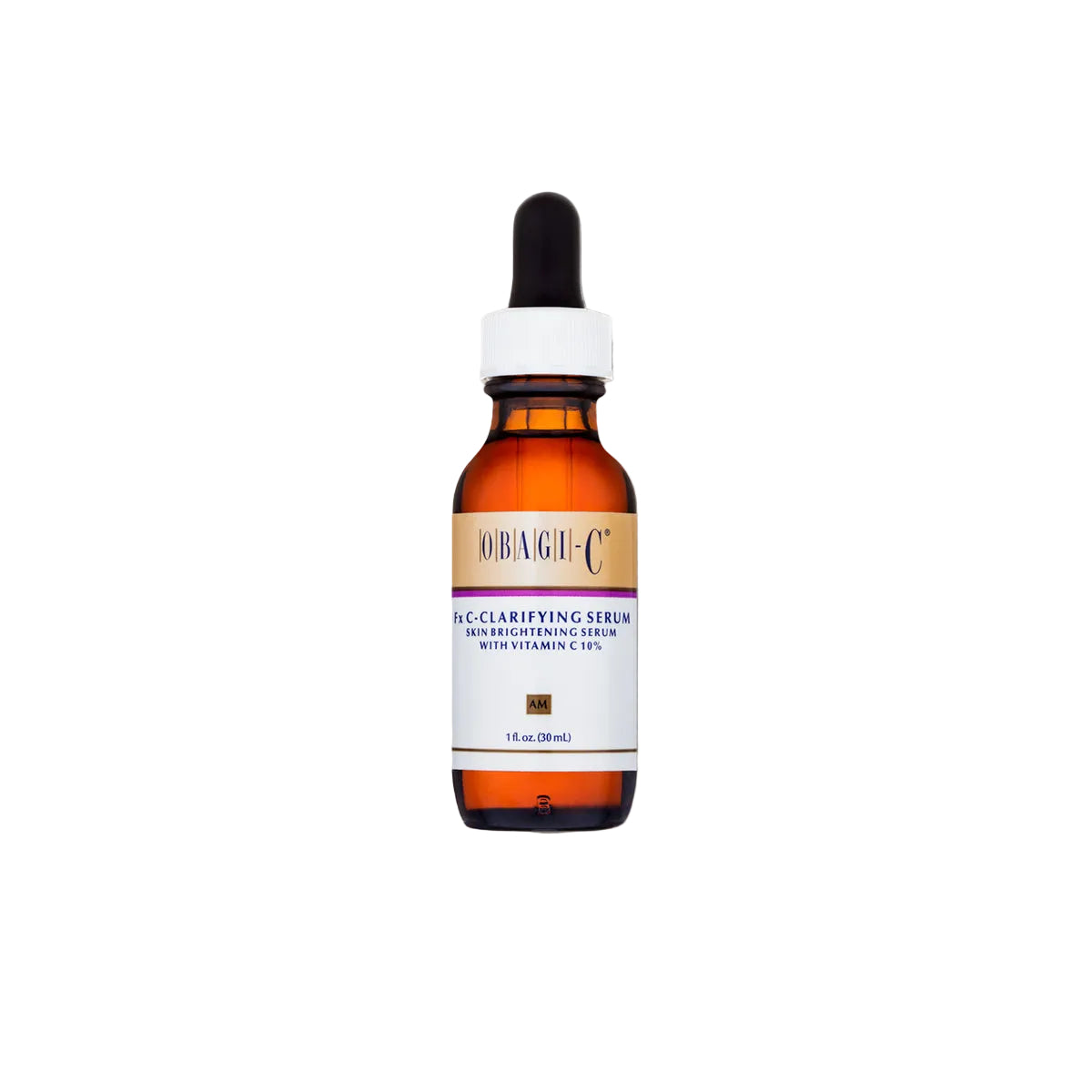
- Restart actives carefully. If your provider approves antioxidant care, a lower-strength option such as Professional-C Serum 10% may be easier to introduce than starting with the highest concentration.
What to avoid after a facial
Depending on the service, you may need to avoid scrubs, retinoids, acids, hot environments, intense exercise, picking, waxing, and prolonged sun exposure for a short period. Do not assume that visible peeling or burning proves a treatment worked. Unexpected swelling, blistering, severe pain, or signs of infection should be reported promptly.
How to choose a qualified provider
- Confirm the provider's license and experience with the treatment.
- Ask how the service will be adapted for your skin type and medical history.
- Request clear information about risks, downtime, expected results, and aftercare.
- Be cautious of guarantees, pressure to purchase large packages, or claims that one treatment cures every concern.
- Choose a setting that uses clean technique and explains each step.
Realistic expectations
A gentle facial can leave skin looking smoother, more hydrated, and refreshed, but most results are temporary without consistent home care. Congestion, acne, discoloration, and visible aging usually require a longer plan. The purpose of professional care is not perfection after one appointment. It is a safer, more informed strategy built around your skin.
The bottom line
Professional facials can provide customized assessment, controlled cleansing and exfoliation, hydration, extractions when appropriate, and useful guidance for home care. Results depend on the treatment, provider, skin condition, and consistency after the appointment. Start conservatively, communicate openly, and protect the skin barrier.
For answers about cost, frequency, acne, sensitive skin, preparation, and aftercare, see the FAQ section below.
Frequently asked questions
What does a professional facial include?
A customized facial usually includes consultation, cleansing, skin analysis, exfoliation, optional extractions, a mask or targeted serum, moisturizer, and sunscreen. Exact steps vary according to your skin and the provider's scope of practice.
Are professional facials worth it?
They can be valuable when you want an in-person assessment, controlled extractions, customized treatment, or help improving your home routine. They are not mandatory for healthy skin, and one facial cannot permanently correct acne, discoloration, or aging.
How often should I get a facial?
Many people schedule gentle maintenance facials every four to eight weeks, but there is no universal rule. Treatment intensity, sensitivity, goals, and budget should determine frequency. Advanced procedures need their own schedules and recovery time.
Can facials help acne?
A clarifying facial may help remove surface buildup and selected comedones, but acne has several causes and may require medical treatment. Inflamed lesions should not be aggressively extracted. Persistent or scarring acne deserves professional medical evaluation.
Are facials safe for sensitive skin?
They can be when the service is adapted carefully. Tell the provider about rosacea, eczema, allergies, recent reactions, prescriptions, and procedures. Avoid assuming that tingling, burning, or heavy peeling is necessary for results.
What should I stop before a facial?
Ask the provider in advance. Depending on the service, you may be told to pause retinoids, exfoliating acids, scrubs, waxing, or other hair-removal methods. Do not stop prescription medication without guidance from the prescriber.
Should I wear makeup to the appointment?
You can, since cleansing is normally included, but arriving without heavy makeup can save treatment time. Afterward, the provider may recommend waiting before applying makeup, especially following extraction or exfoliation.
What should I use after a facial?
Follow the treatment-specific instructions. A simple routine may include Papaya Ultra Gentle Cleanser, Ultra Hydrating Serum, a moisturizer such as Ultra Lite Moisture Dew Cream, and daily Essential Mineral Tinted SPF 50+ Sunscreen.
When can I restart retinol or exfoliating acids?
The answer depends on the treatment and your skin response. A gentle facial may require only a short pause, while resurfacing procedures need longer. Restart only when the provider recommends it and the skin no longer feels tender, hot, or unusually dry.
What is the difference between a facial and a chemical peel?
A classic facial is a flexible service built around cleansing, light exfoliation, hydration, and optional extractions. A chemical peel uses an acid solution at a chosen strength to create controlled exfoliation. Peels have separate contraindications, downtime, and provider requirements.
Can I do the same treatment at home?
Daily cleansing, hydration, and sunscreen belong at home. Controlled extractions, stronger peels, microneedling, lasers, and energy devices should not be copied without appropriate training. Home care and professional care have different roles.
How do I choose a provider?
Verify licensing, ask about experience with your concern and skin tone, discuss risks and aftercare, and avoid anyone who guarantees perfect results. A qualified provider should be willing to adjust or decline treatment when it is not appropriate.
What warning signs should I report afterward?
Unexpected blistering, severe swelling, increasing pain, spreading redness, drainage, or other signs of infection should be reported promptly. Mild temporary redness may be expected after some services, but the provider should explain what is normal before treatment.