The Complete Guide to Hydration and Moisturizing
Hydration is the foundation everything else in your skincare routine sits on top of. Skip it, and even the best serum or treatment will not perform the way it should. This guide covers the real difference between hydrating and moisturizing, what to actually look for in a formula, and how to choose between a gel, cream, or lotion based on your skin type.
Hydrating vs. Moisturizing: They Are Not the Same Thing
These two words get used interchangeably, but they describe different jobs.
- Hydrating means adding water content back into the skin itself. Hydrating products, like serums, pull moisture into the skin and are usually built around humectants such as hyaluronic acid or glycerin.
- Moisturizing means sealing that water in and preventing it from evaporating out. Moisturizers rely on richer, often oil based ingredients that sit on the surface and form a protective barrier.
The two work best together. A hydrating serum without a moisturizer on top can actually evaporate faster, pulling moisture from deeper skin layers in dry conditions. Layering a hydrating serum under a moisturizer is what actually locks the benefit in.
Humectants, Occlusives, and Emollients
Understanding these three ingredient categories makes label reading much easier.
- Humectants (hyaluronic acid, glycerin, aloe vera) attract water into the skin.
- Occlusives (petrolatum, oils, silicones) form a barrier that stops water loss.
- Emollients (shea butter, fatty acids) smooth and soften skin texture between the two.
Our Ultra Hydrating Serum is built around multiple molecular weights of hyaluronic acid, a humectant, to hydrate at several layers of the skin at once. Follow it with a moisturizer to seal that hydration in.
Gel vs. Cream vs. Lotion
Once you have the hydration and moisturizing steps sorted, the format you choose matters too.
- Gels are lightweight and water based, ideal for oily or combination skin, especially in humid climates. Our Obagi Hydrate Light® Weightless Gel Cream hydrates without adding weight or shine, making it a strong daily option for oily or acne-prone skin.
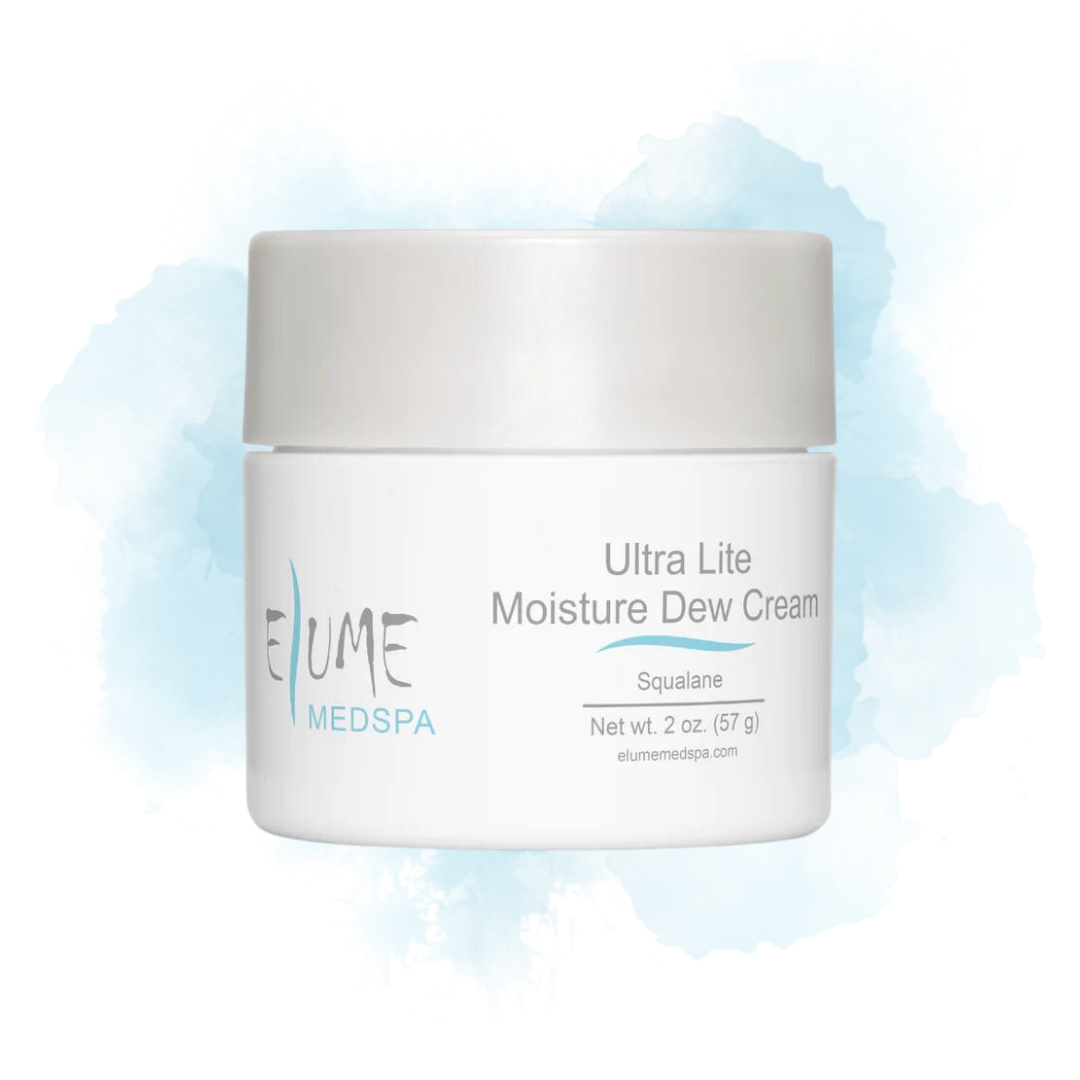
- Creams are richer and better suited to dry, sensitive, or mature skin, since the higher oil content traps in more moisture. Obagi Hydrate Luxe® is a rich, velvety option built for normal to dry skin, and Ultra Lite Moisture Dew Cream gives a lighter version of that same deep hydration for skin that wants more moisture without the heaviness.
- Lotions sit in the middle, a good all-around choice for normal skin or anyone who wants something that absorbs quickly without feeling heavy.
Internal Hydration Still Matters
Topical products only do part of the job. Your skin's water content is also influenced by how much water you actually drink, your diet, and lifestyle factors like caffeine and alcohol intake, both of which have a dehydrating effect. Water rich foods (cucumber, watermelon, spinach) support hydration from within, but internal hydration alone will not fix a compromised skin barrier. Both approaches need to work together.
Signs Your Skin Is Dehydrated
- Tightness, especially after cleansing
- Flaking or rough texture
- Fine lines that look more pronounced than usual
- Dull, tired looking complexion
- Skin that looks oily but still feels tight underneath (a common sign of dehydration, not just oily skin)
That last point trips a lot of people up. Oily skin can absolutely be dehydrated, and using harsh, stripping products in response usually makes it worse, not better.
Choosing Hydration for Your Skin Type
- Oily or acne-prone: lightweight gel formulas and hydrating serums, avoid heavy occlusives that can feel greasy
- Dry or mature: rich creams with both humectants and occlusives layered together
- Sensitive or reactive: fragrance-free formulas with simple, soothing ingredients
- Around the eyes: a dedicated eye product tends to work better than body moisturizer, since that skin is thinner and needs a lighter, targeted formula. Our Daily Hydro-Drops® Rejuvenating Eye Gel Cream was built specifically for that area.
Your Environment Changes What Hydration You Need
Low humidity, indoor heating, air conditioning, wind, and frequent travel can increase the feeling of dryness even when the products in your routine have not changed. In dry conditions, apply moisturizer while skin is slightly damp and consider a richer cream or occlusive layer to reduce water loss. A clean humidifier may help some people during heating season, but it does not replace moisturizer and must be maintained according to its instructions. In humid weather, lighter gels or lotions may feel more comfortable while still supporting the barrier.
Common Hydration Mistakes
- Skipping moisturizer because your skin feels oily. Oily skin still needs hydration, just in a lighter format.
- Using only a serum with nothing to seal it in. Hydrating serums work best layered under a moisturizer, not as a replacement for one.
- Not adjusting for the season. Skin often needs a richer formula in winter and a lighter one in summer.
- Ignoring the neck and other areas. Hydration needs do not stop at the jawline.
Finding Your Fit
If your skin needs a hydration boost at the serum level, start with the Ultra Hydrating Serum or Daily Hydro-Drops® Facial Serum. For daily moisturizing, oily and combination skin does well with Obagi Hydrate Light®, while dry or mature skin benefits more from the richer Obagi Hydrate Luxe® or Ultra Lite Moisture Dew Cream. Whatever combination you land on, layering a hydrating step under a moisturizing one is the habit that actually keeps skin plump, comfortable, and resilient day to day.
Frequently asked questions
What is the actual difference between hydrating and moisturizing?
Hydrating adds water into the skin itself, usually through humectant ingredients like hyaluronic acid or glycerin. Moisturizing seals that water in with richer, often oil based ingredients that form a barrier on the skin's surface. You generally need both, not one or the other.
Can oily skin be dehydrated?
Yes, and it happens often. Dehydrated oily skin can actually produce more oil to compensate for the lack of water, which makes it look shinier while still feeling tight or rough underneath. Stripping it further with harsh products usually makes this worse. A lightweight, hydrating gel formula is often the fix, not skipping moisturizer altogether.
Should I use a serum or a moisturizer first?
Apply hydrating serums first, while skin is still slightly damp, then follow with a moisturizer to seal it in. Going in the other order (moisturizer first) creates a barrier that stops the serum from being able to absorb properly.
Is drinking more water enough to fix dry skin?
Not on its own. Internal hydration supports skin health, but a compromised skin barrier needs topical hydrating and moisturizing products to actually repair. Think of water intake as one part of the picture, not the whole solution.
How do I know if I need a gel, cream, or lotion?
Gels work best for oily or combination skin, especially in humid climates. Creams suit dry, sensitive, or mature skin because of their higher oil content. Lotions sit in the middle and work well for normal skin or anyone who wants a lighter daily formula. Your skin's needs can also shift seasonally, so it is normal to switch formats between summer and winter.
Do I need a separate eye cream, or can I just use my regular moisturizer there?
The skin around the eyes is thinner and behaves differently than the rest of your face, so a dedicated eye product formulated for that area, like our Daily Hydro-Drops® Rejuvenating Eye Gel Cream, tends to work better than using a heavier facial moisturizer in that area.
Why does my skin still feel dry even though I moisturize every day?
A few common culprits: you may be using a moisturizer without enough humectants, applying it to fully dry skin instead of slightly damp skin, or your formula may simply be too light for your current environment or season. Layering a hydrating serum underneath, rather than relying on the moisturizer alone, often solves this.
What ingredients should I actually look for?
Hyaluronic acid and glycerin for hydration, ceramides and fatty acids for barrier support, and oils or petrolatum derivatives if you need a stronger occlusive layer. Reading past the marketing language on the front of the bottle and checking the actual ingredient list is the most reliable way to know what you are getting.
Can I over-moisturize my skin?
It is possible, particularly with heavy, occlusive formulas on skin that does not need that much richness. Signs include ongoing breakouts, a persistently greasy feel, or clogged looking pores. If that happens, switching to a lighter gel or lotion formula usually resolves it.
What is the best hydrating option for oily or acne-prone skin?
Look for lightweight, non-comedogenic formulas. Obagi Hydrate Light® Weightless Gel Cream hydrates without adding shine or clogging pores, making it a solid daily pick.
What is the best option for dry or mature skin?
Richer creams that combine humectants and occlusives work best. Obagi Hydrate Luxe® and Ultra Lite Moisture Dew Cream both deliver deep hydration, with Hydrate Luxe leaning richer for very dry skin and the Moisture Dew Cream offering a slightly lighter version of the same benefit.