Cleansing Guide: Choosing the Right Cleanser and Technique
Cleansing seems like the simplest step in any routine, but it sets up everything that follows. The wrong cleanser, technique, or timing can undermine even a well-chosen lineup of serums and treatments. This guide covers how to choose the right cleanser, when double cleansing actually makes sense, and how to do it properly.
Choosing a Cleanser for Your Skin Type
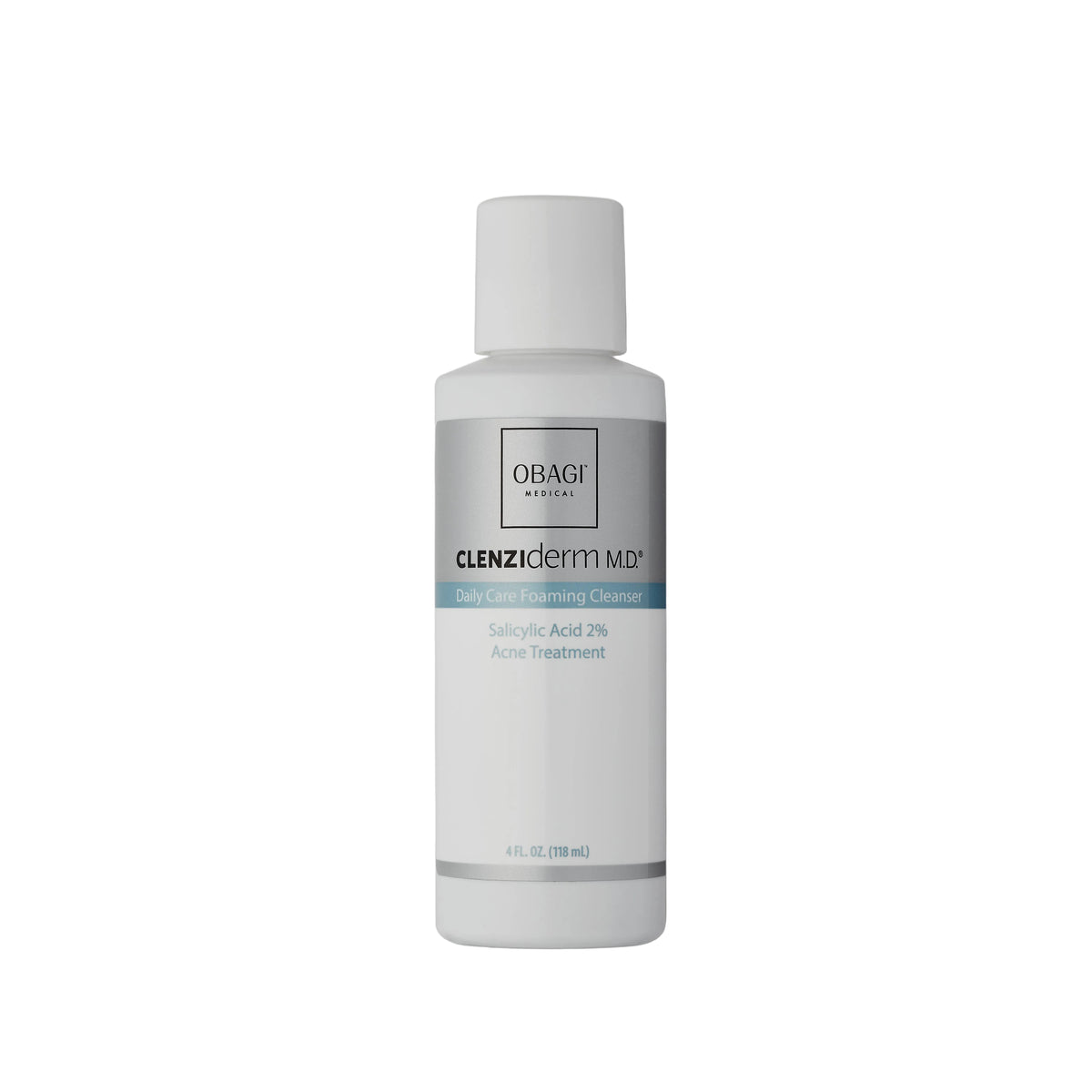
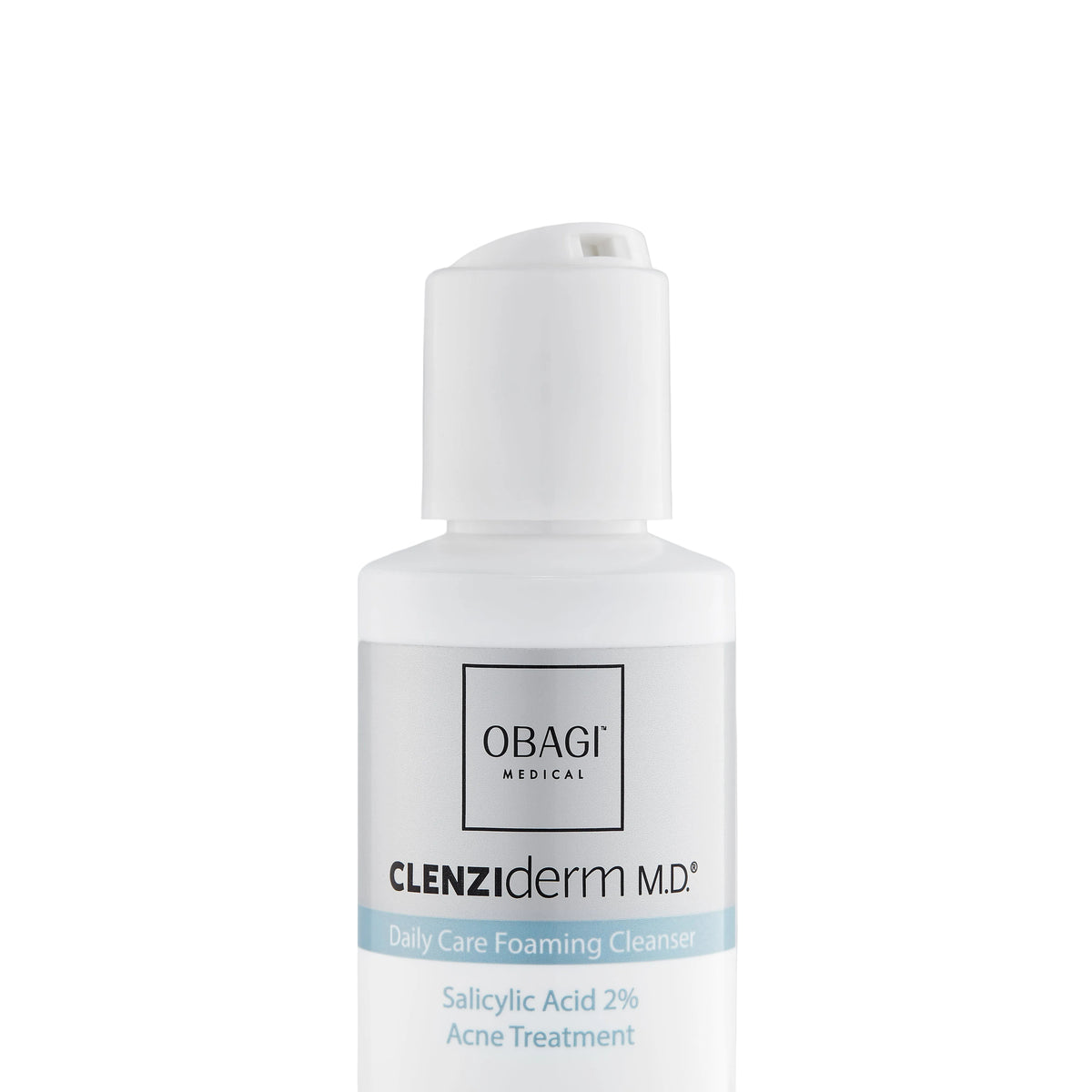
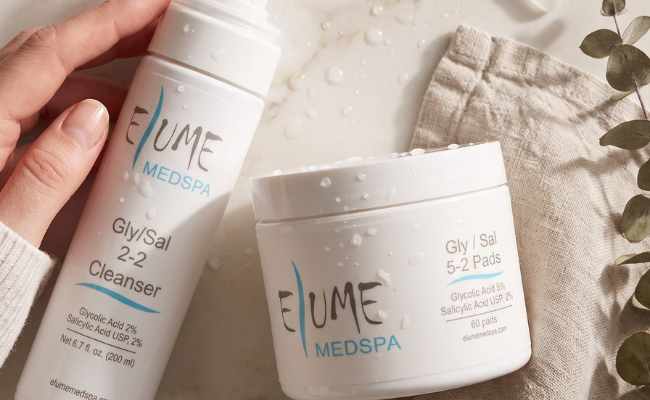
- Oily or acne-prone: a gel or foaming cleanser that manages oil without over-stripping. Gly/Sal 2-2 Cleanser combines Glycolic and Salicylic Acid to cleanse and manage breakouts at the same time, and CLENZIderm M.D.® Daily Care Foaming Cleanser is built specifically for acne-prone skin.
- Dry or sensitive: a cream or gentle enzyme cleanser that hydrates while cleansing. Papaya Ultra Gentle Cleanser uses papain enzymes for a mild, non-stripping cleanse suited to sensitive and post-procedure skin.
- Normal or combination: most gentle formulas work well, so personal preference in texture and finish matters more than strict skin-type rules.
Does Double Cleansing Actually Help?
Double cleansing means using an oil-based cleanser first to dissolve makeup, sunscreen, and sebum, followed by a water-based cleanser to clear away what remains, including sweat and impurities. It genuinely helps if you wear makeup, heavy sunscreen, or sit through a lot of pollution or environmental buildup during the day. If your skin is mostly bare and you use a lightweight sunscreen, a single thorough cleanse is usually enough, and double cleansing every night isn't necessary and can be more stripping for some skin types than helpful.
How to Cleanse Properly
- Start with clean hands to avoid transferring bacteria and dirt to your face.
- Use lukewarm water, not hot. Hot water strips natural oils more aggressively.
- Massage cleanser in gentle circular motions for about 30 seconds. Scrubbing harder does not clean better, it just irritates.
- Rinse thoroughly. Leftover cleanser residue can contribute to clogged pores.
- Pat dry rather than rubbing, which can cause unnecessary irritation.
When to Cleanse
- Morning: a gentle cleanse removes overnight oil buildup and prepares skin for the day's products.
- Evening: this is when thorough cleansing (or double cleansing, if warranted) matters most, removing the accumulation of the day before treatment products go on.
- After sweating: whether from exercise or heat, sweat left on the skin can contribute to clogged pores and breakouts.
Ingredients and Sensory Cues to Watch
A cleanser should leave skin comfortable, not squeaky, tight, or burning. People with reactive skin often do better with gentle, fragrance-free formulas, while high levels of drying alcohol or aggressive surfactants may be harder to tolerate. "Unscented" and "fragrance-free" are not interchangeable label claims. Choose based on how the complete formula performs on your skin, and stop using a cleanser that causes persistent stinging, swelling, or a worsening rash. The American Academy of Dermatology recommends gentle, non-abrasive cleansing with lukewarm water.
Common Cleansing Mistakes
- Over-cleansing. More than twice a day, or scrubbing too aggressively, strips the skin's natural barrier.
- Using the wrong texture for your skin type. A stripping gel cleanser on already dry skin, or a heavy cream on oily skin, works against you.
- Skipping cleanser before treatment products. Applying serums or actives over unwashed skin reduces their effectiveness and can trap impurities underneath.
Finding Your Fit
Oily or breakout-prone? Start with Gly/Sal 2-2 Cleanser. Sensitive or reactive skin? Papaya Ultra Gentle Cleanser is built for exactly that. Wear makeup or heavy sunscreen daily? Consider adding an oil-based first step before either one at night. Cleansing is simple in principle, but getting the details right, cleanser choice, technique, and timing, makes a real difference to how well the rest of your routine performs.
Frequently asked questions
Do I really need to double cleanse every night?
Only if you wear makeup, heavy sunscreen, or spend a lot of time in polluted environments. If your skin is mostly bare with a lightweight sunscreen, a single thorough cleanse is usually sufficient, and double cleansing nightly can be more stripping than helpful for some skin types.
Is it better to cleanse with hot or lukewarm water?
Lukewarm. Hot water strips natural oils more aggressively and can worsen dryness and irritation over time, while cold water does not clean as effectively.
How long should I actually massage cleanser into my skin?
About 30 seconds is enough for most cleansers to do their job. Longer does not clean better, and scrubbing harder just risks irritation rather than a deeper clean.
Can over-cleansing actually damage my skin?
Yes. Cleansing more than twice a day, or using overly stripping formulas, disrupts the skin barrier and can lead to increased sensitivity, dryness, or even more oil production as skin tries to compensate.
Should oily skin use a stripping cleanser to control oil?
No. Overly stripping cleansers often backfire, causing oily skin to overproduce oil to compensate. A balanced gel or foaming cleanser controls oil more effectively without that rebound effect.
Do I need to cleanse after exercising, even if I don't wear makeup?
Yes. Sweat left on the skin can contribute to clogged pores and breakouts, so cleansing after a workout matters even on days you skip makeup entirely.
What is the right order to apply products after cleansing?
Cleanser first, then toner if you use one, followed by serums, moisturizer, and sunscreen in the morning. Cleansing removes the barriers that would otherwise block these products from absorbing properly.
Should I pat or rub my face dry after cleansing?
Pat dry. Rubbing with a towel can cause unnecessary irritation and undo some of the benefit of a gentle cleanse.
What is a good cleanser for acne-prone skin?
Gly/Sal 2-2 Cleanser combines Glycolic and Salicylic Acid for daily use, and CLENZIderm M.D.® Daily Care Foaming Cleanser is formulated specifically for acne-prone skin.
What is the gentlest option for sensitive or reactive skin?
Papaya Ultra Gentle Cleanser was built specifically for sensitive and post-procedure skin, using enzymes for a mild, non-stripping cleanse.